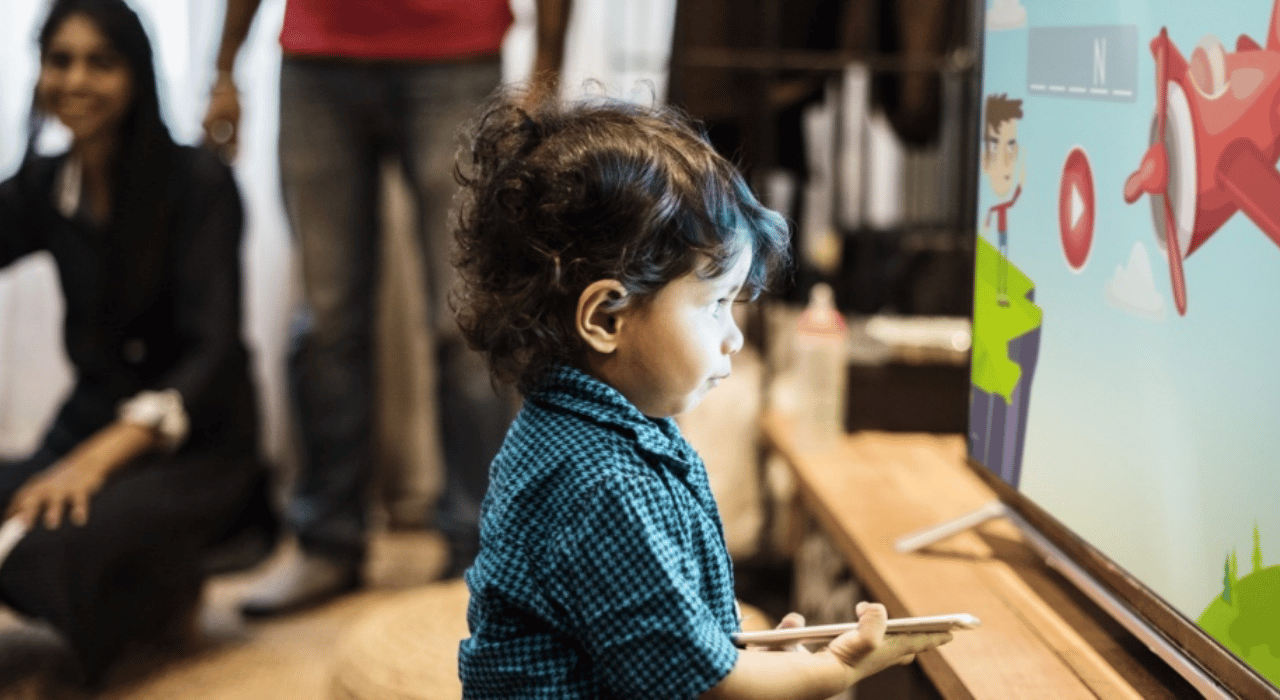
Keeping Children Active During COVID-19 Lockdown

Keeping Every Child Active Through Crisis

The world faced an unprecedented situation due to COVID-19, a “black-swan” event that affected life in unforeseen ways. Lockdowns across many countries forced people to adopt new social behaviours and reassess their economic activities.

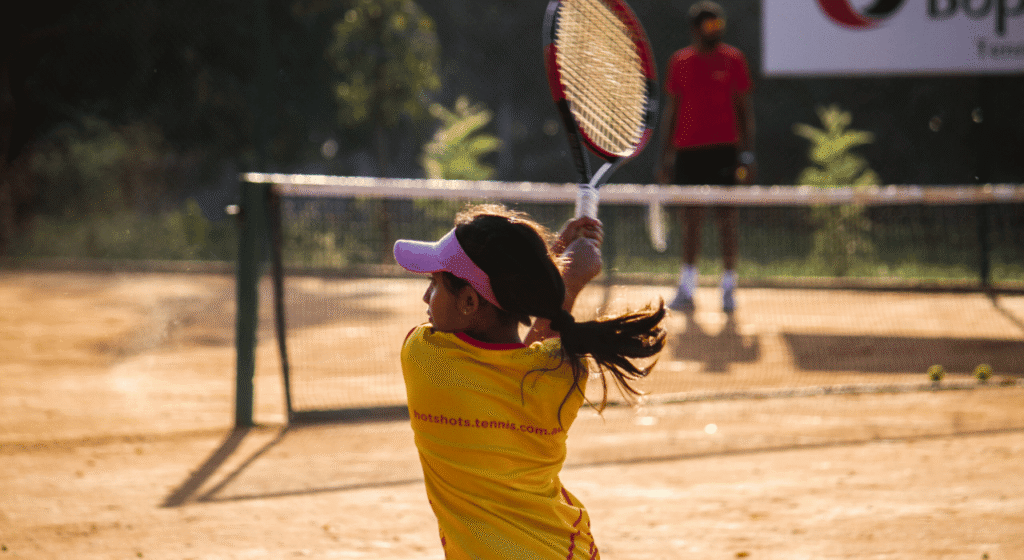
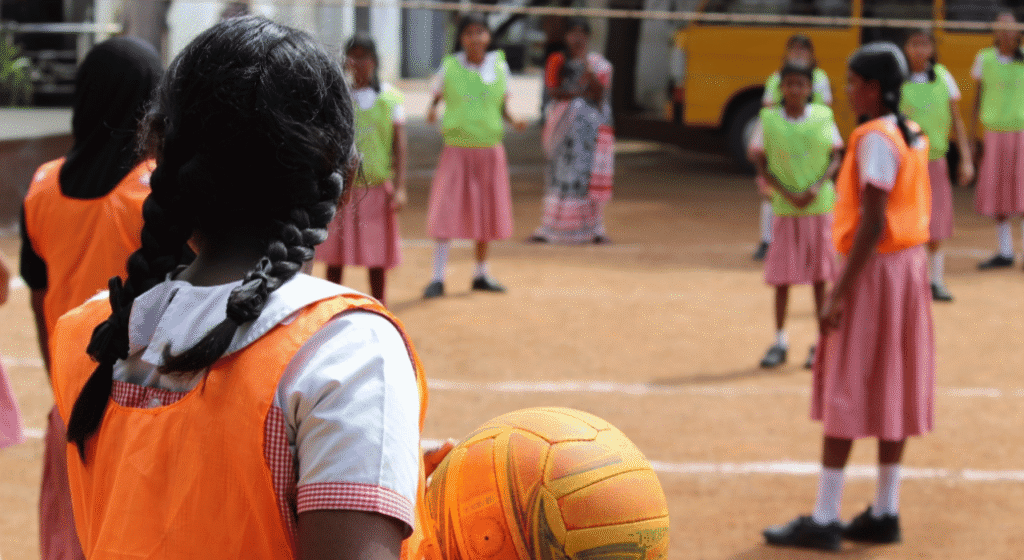
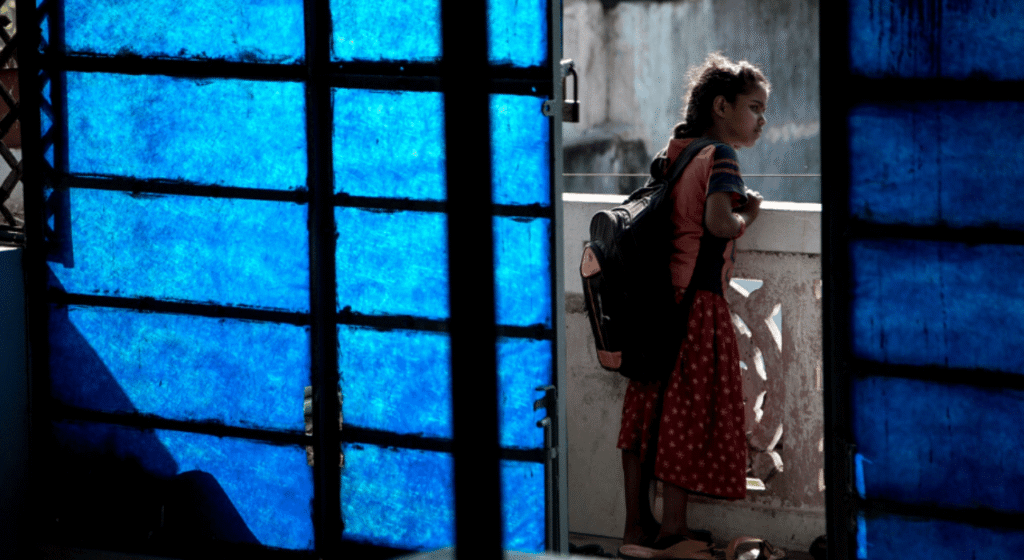
Among the many implications of the outbreak was the abrupt closure of schools and social spaces that had enabled children and adolescents to participate in physical activity and sport.

This paper highlights the importance of access to sport for children, especially those from disadvantaged backgrounds. It also offers a framework for educators and development experts to engage children through physical activity during and after lockdown, when isolation, social distancing and personal hygiene may continue to influence the schooling system.

Why Access to Sport Matters

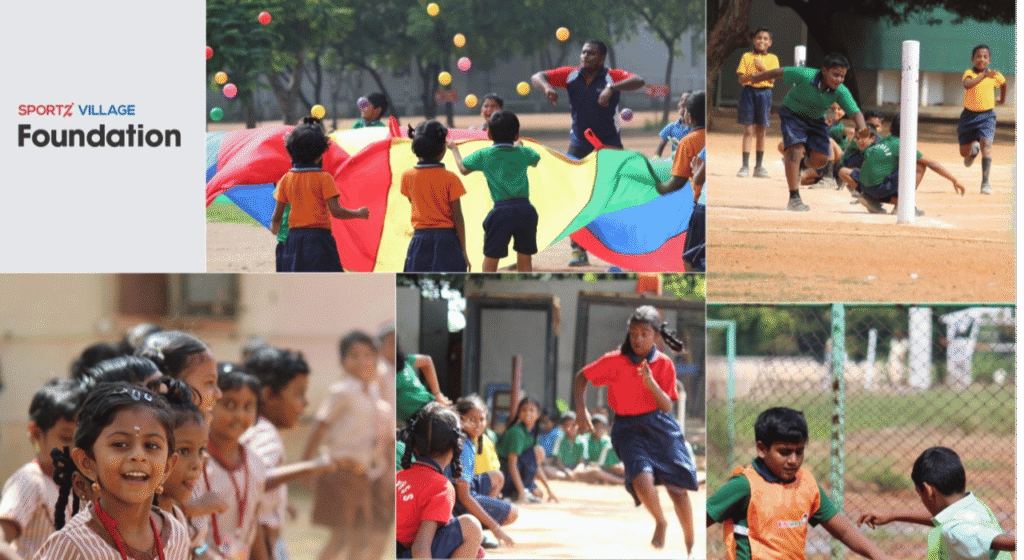
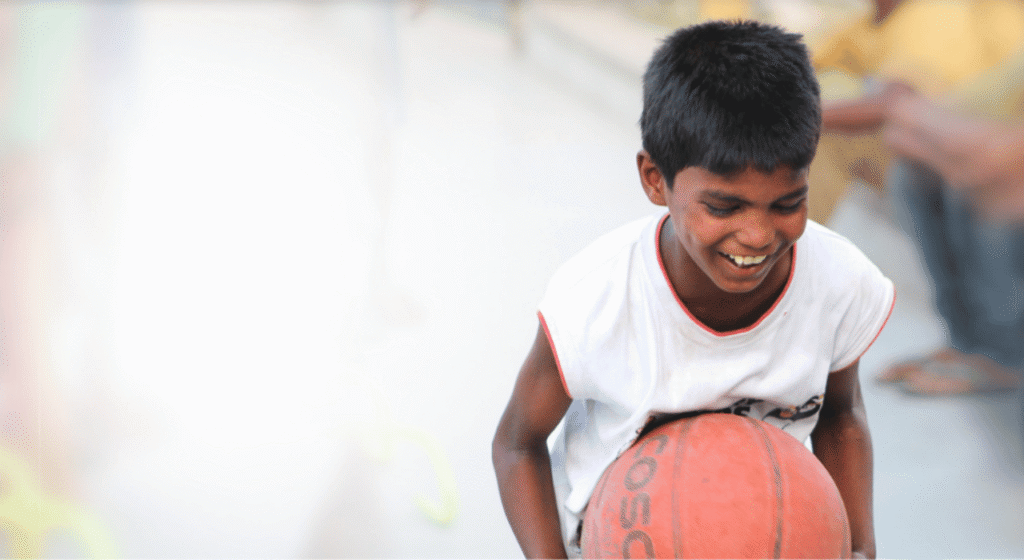
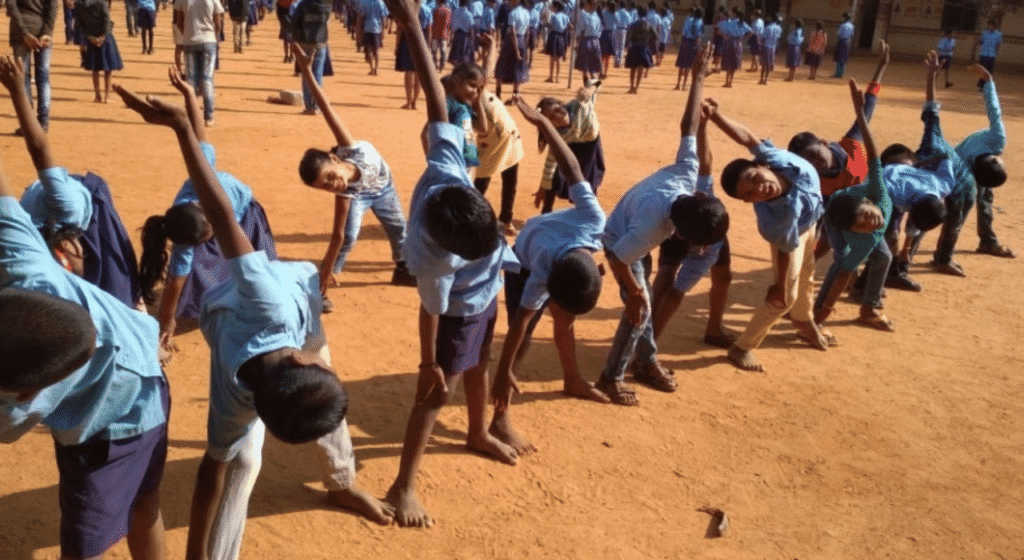
Play is a natural impulse for children and an important way for them to engage socially with friends and peers. Depriving children of physical activity can lead to lower levels of physical dexterity and fitness, and may also affect their psychological and emotional wellbeing.

During an outbreak, access to trusted information, hygiene practices and stronger immunity levels are important conditions for preventing the spread of infection. Physical wellbeing plays an important role in helping children remain healthy.

The complete absence of both structured and unstructured physical activity and sport can leave children highly vulnerable.

The Challenge of Equitable Access

One of the ways being used to engage children in physical activity during the outbreak was through online content and video-conferencing sessions. This could work well for children and households with existing internet access.

However, a large number of children in India depend on the public schooling system and come from low-income communities. Many may not have access to online learning tools and, in some cases, families may be struggling with basic needs due to loss of livelihood during the lockdown period.

Even after schools reopen, the need for social distancing may continue to affect children’s participation in sport. These circumstances require educators, schools and communities to reimagine key elements of sports education to ensure equitable participation wherever possible.

Framework for COVID-Proofing Sports Education

The framework focuses on four key areas that can help schools and organisations continue sports education interventions during periods of disruption.

Curriculum and Program Monitoring

The curriculum should focus on virtual learning, social distancing and modified activity formats. Sports education activities can be adapted for home-based delivery during lockdowns and low-contact participation when schools reopen.

Training of Trainers

Trainers should be equipped to deliver virtual and home-based activities, supervise distance learning, and guide children on preventive health, hygiene and community health practices.

Events and Camps

During lockdown, schools can conduct home-based task-oriented activities and digital awareness drives in child-friendly formats. Once schools reopen, events can be planned around no-contact or low-contact sports, along with awareness camps for children and parents.

Stakeholder Outreach

The program should bring together parents, schools, communities and CSR partners through realigned goals, collaboration and ongoing support for children.

Structure for Program Implementation

Pre-COVID-19: In-School Delivery

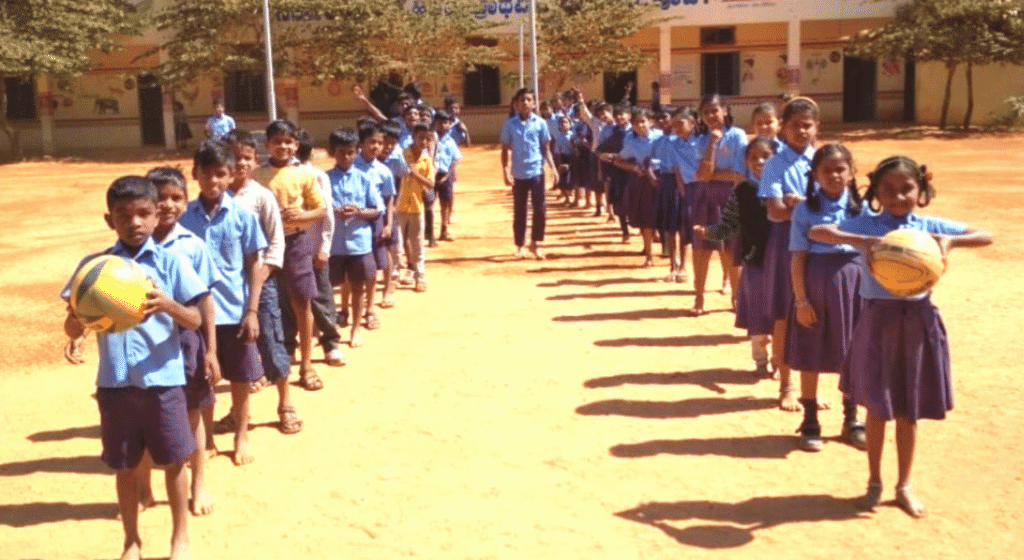
Before the pandemic, sports education was delivered through structured physical education curriculum supervised by designated trainers. Training focused on classroom and on-ground delivery, while events and camps followed the school calendar.

During Lockdown: At-Home Delivery

During lockdown, a modified home-based curriculum could be supervised by parents or designated trainers.

Delivery formats could include:

  • Apps or WhatsApp videos
  • Phone calls, radio or television
  • Printed workbooks and activity sheets

Training during this period focused on delivering in-home curriculum and supervising virtual or distance-learning activities. Events could be replaced with home-based tasks and digital awareness initiatives.

Post-Lockdown Recovery Period: In-School Delivery

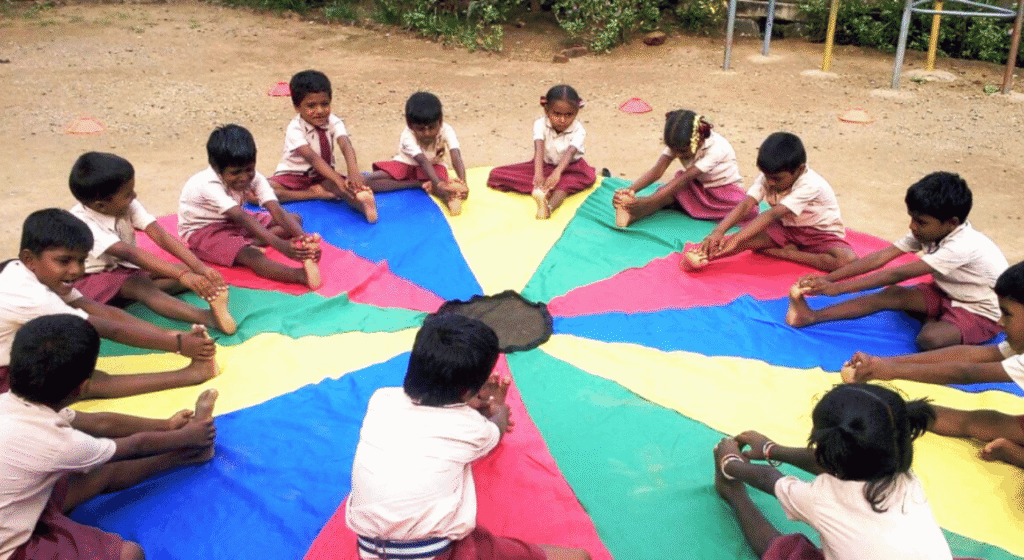
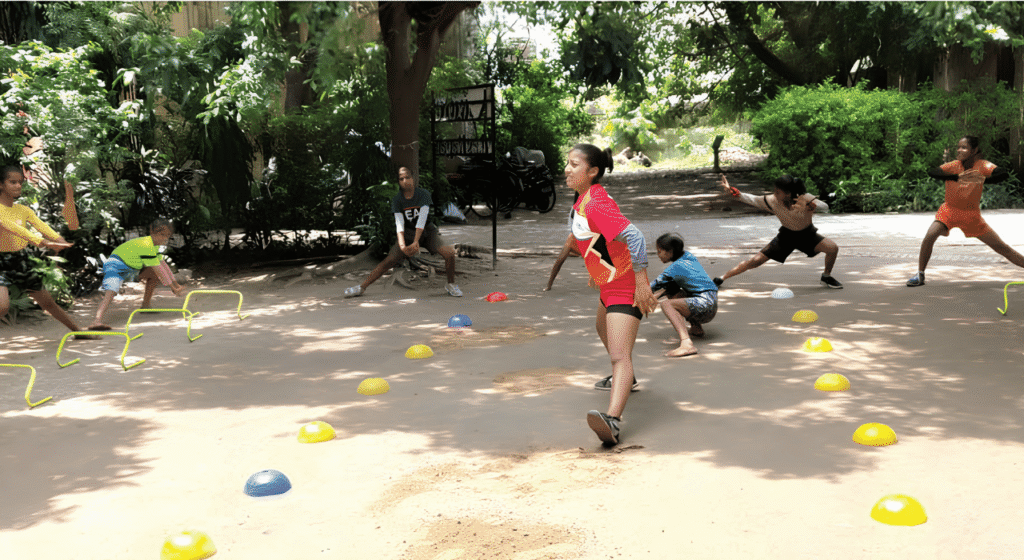
After schools reopen, the curriculum can be adapted for no-contact or low-contact drills and games in smaller groups, while maintaining appropriate physical distancing.

The recovery-phase program should also include:

  • Reinforcement of hygiene practices in age-specific formats
  • Home sessions where school playtime is reduced
  • Modified on-ground curriculum delivery
  • Awareness camps related to community health and WASH practices

Monitoring and Evaluation

Program monitoring should focus on:

  • Improvement in fitness levels
  • Improvement in social-emotional learning
  • Improvement in attendance
  • Age-wise coverage of children
  • Participation levels
  • Qualitative feedback from children
  • Improvement in awareness of hygiene-related issues

Stakeholder Participation

Parents

Parents can support the programme by encouraging children to attend school, participating in selected meetings and awareness sessions, and helping children use home-based curriculum where required.

School Management

Schools can support the delivery of the programme, coordinate at-home learning when needed, and help conduct awareness camps and sports events.

CSR Teams

CSR partners can align sponsorship with larger CSR goals and vision, support pilot programmes, enable collaboration with other initiatives and provide ongoing support for children and communities.

Looking Ahead

India has almost 600 million individuals under the age of 21 and around 150 million children in the public-school system. Ensuring access to transformation tools such as sports education is highly critical.

By following practical measures that enable safe and inclusive participation, children can continue to enjoy sporting activities, remain healthy and emerge with the strength and ability to thrive in a post-COVID-19 world.
Stories from the Field

Sports Excellence
Student Journey
Young Athletes

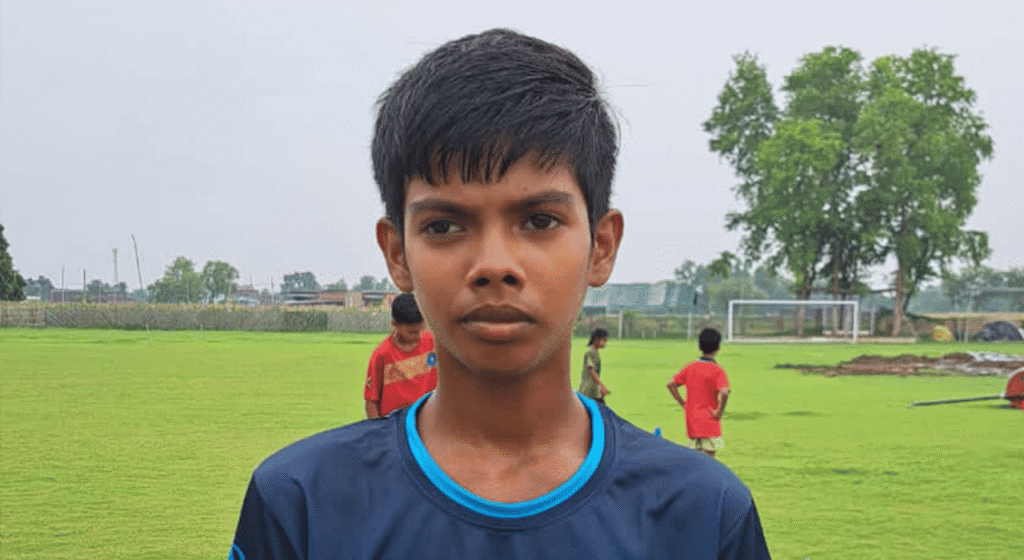
Balamurugan: The Unstoppable Journey of an Emerging Football Star

From a young student with a passion for football to a high-performance trainee supported by Sportz Village Foundation, LatentView Analytics and India Khelo Football, Balamurugan’s journey shows what the right opportunity can unlock.
Health & Wellbeing
Programme Impact
Schools

Race Around India: Keeping Children Active Beyond the Digital Divide

Race Around India is an offline, gamified physical education initiative designed to keep children active at home while reducing inequalities created by the digital and gender divide.
Girls & Women
Programme Impact
Students

Empowering Women in Sports: Understanding the Barriers Girls Face

A data-led case study that identified the social barriers preventing girls from participating in sport and outlined practical opportunities to create more inclusive sporting environments.
Education
Case Study
Students

How Structured Sports Improved Student in a Government School

A structured sports curriculum introduced in a government school in Bengaluru improved attendance and contributed to stronger behaviour, attention span and peer relationships among children.
Research & Policy
Research & Report
Students

How Sports Participation Supports the Sustainable Development Goals

A study of HCL Foundation’s Sport for Change initiative explores how active participation in sport is associated with stronger health, education and gender-equality outcomes among students in Lucknow and Noida.
Digital Innovation
Programme Impact
Students

Digital Intervention to Get Government School Children Active During the Pandemic

Supported by Bata India, Sportz Village Foundation used a self-directed and gamified digital platform to keep children from government schools active during the pandemic.
Inclusion
Community Initiative
Students

Sportz Village Foundation: Giving Every Child an Equal Opportunity

Sportz Village Foundation uses structured sports education to improve children’s health, education, confidence and access to opportunity.
Digital Innovation
Programme Impact
Students

Keeping Children Active Through the Digital Program

A six-week digital physical education pilot helped children from government schools in Tamil Nadu stay active and engaged during the COVID-19 lockdown.
Health & Wellbeing
Research & Report
Schools

2nd Annual Health Survey for Public Schools

Sportz Village Foundation’s 2nd Annual Health Survey highlights major fitness concerns among children in public schools, while underlining the importance of continuous, structured sports education.
Health & Wellbeing
Research & Report
Schools

Annual Health Survey 2019–2020: Public Schools

Sportz Village Foundation’s Annual Health Survey highlights important fitness and health challenges among children in public schools, while showing the value of structured sports education.
Education
Policy & Thought Leadership
Schools

National Education Policy 2020: Playing to Win

A look at how play and physical activity can be used as a pedagogical tool to support the educational outcomes envisioned under the National Education Policy 2020.
Education
Case Study
Schools

Ashok Leyland – Road To School

Ashok Leyland’s Road To School initiative uses structured sport to strengthen learning, health and holistic development for children in government schools across Tamil Nadu.
Girls & Women
Student Journey
Students

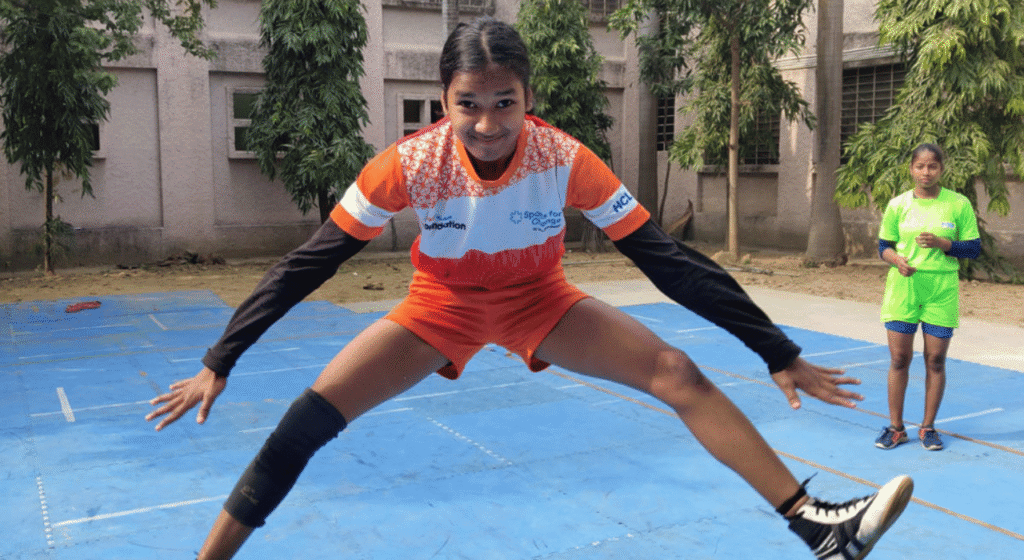
Roopa Chauhan Blitzes Through Barriers

From discovering Kabaddi through Sport For Change to competing at state and national levels, Roopa’s journey shows how sport can create brighter opportunities for young girls.
Inclusion
Programme Impact
Communities

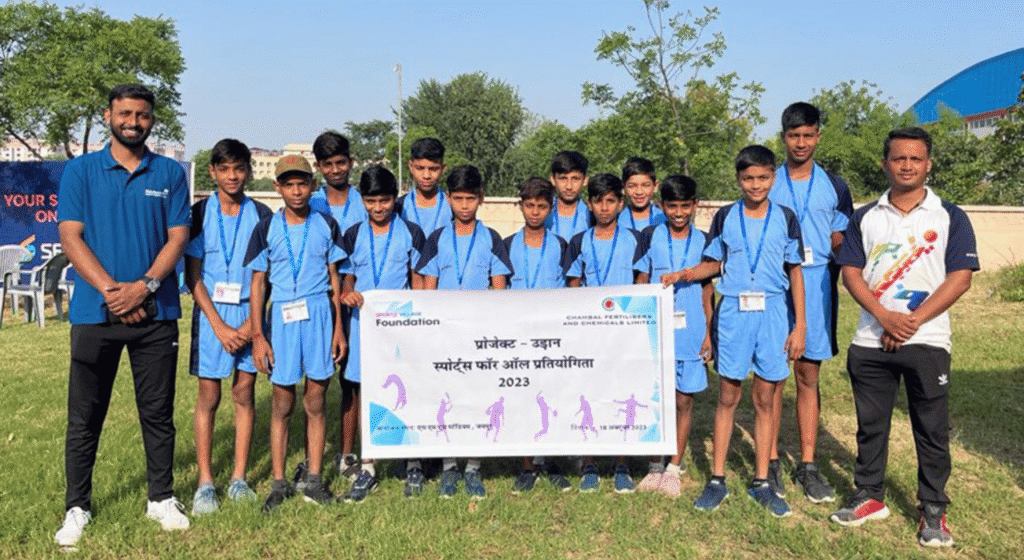
Sport For Change – Project Udaan

A Sport For Change initiative by Chambal Fertilisers and Chemicals Limited and Sportz Village Foundation, positively impacting over 2,800 children and youth across 26 educational institutions in Kota and Baran.
Sports Excellence
Programme Impact
Young Athletes

Identifying and Developing Young Sports Talent Through HCL Foundation Schools

A structured talent identification and coaching programme that helped young athletes from HCL Foundation schools progress from fitness assessment to competitive performance.
Girls & Women
Programme Impact
Girls & Women

PADKAR: Empowering Women Through Self-Defense Training

A large-scale self-defense programme that equipped more than 2.77 lakh women and girls across Gujarat with practical skills, confidence and mental strength.
Inclusion
Case Study
Communities

Strengthening Decathlon’s Community Outreach Programme

An impact evaluation study that helped Decathlon strengthen its employee-volunteer-led school sports programme.
Education
Programme Impact
Students

Learning Through Play: Nurturing Problem Solvers of the Future

Learning Through Play uses structured, activity-based learning to help children build computational thinking, problem-solving and 21st-century skills.
Education
Case Study
Schools

Ashok Leyland Sports for Change Case Study

Through the Sports for Change programme, Ashok Leyland and Sportz Village Foundation brought structured sports learning to 150 government schools in Tamil Nadu.
Digital Innovation
Programme Impact
Students

75% of Children Were Engaged in Sportz Village Foundation’s Digital Program

A 10-week digital engagement program helped children from government schools in Tamil Nadu stay physically and emotionally active during the COVID-related outbreak.
Girls & Women
Student Journey
Students

How Sarita chose Kabaddi to raid into brighter life opportunities

Sarita, a 16-year-old young student from GIC Vikas Niketan Lucknow wants to become a sports trainer and teach other children what she learnt from the sport.

Get the Complete Report

Explore the data, stories and evidence behind a year of impact through sport. Fill the form and get the report.