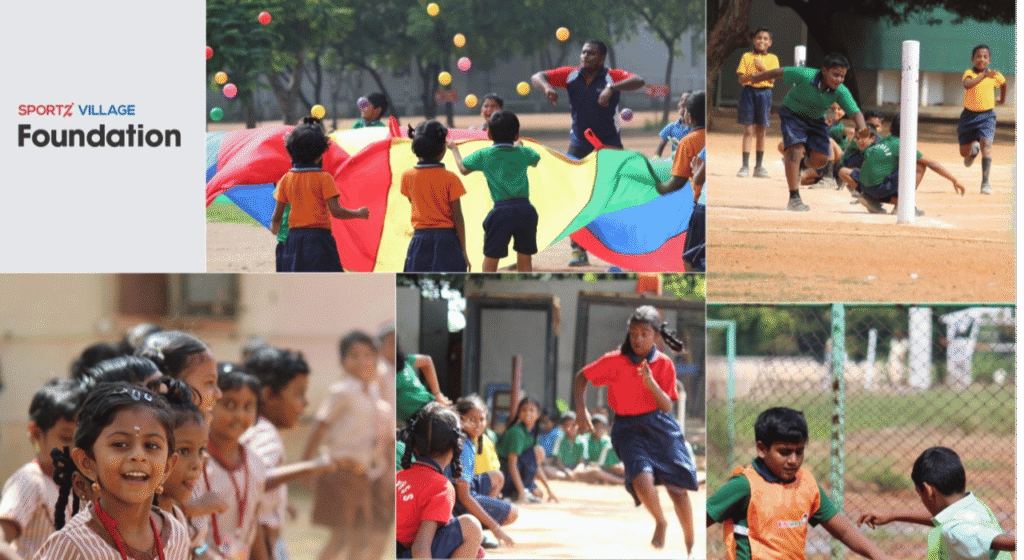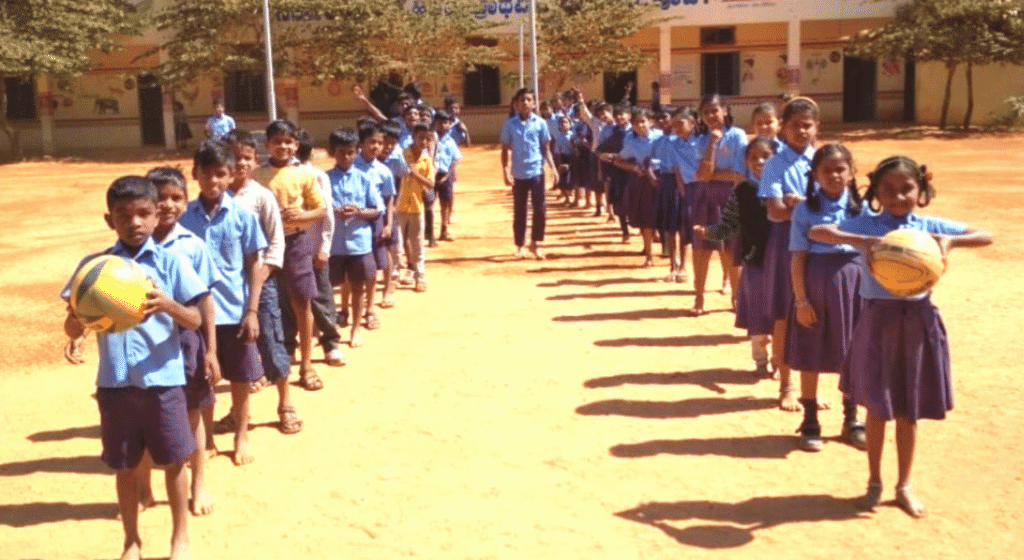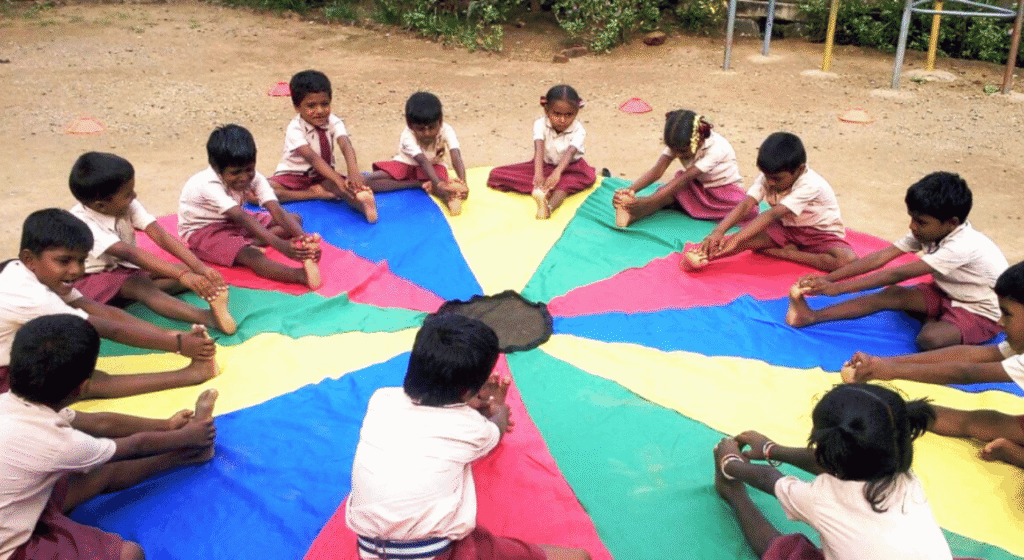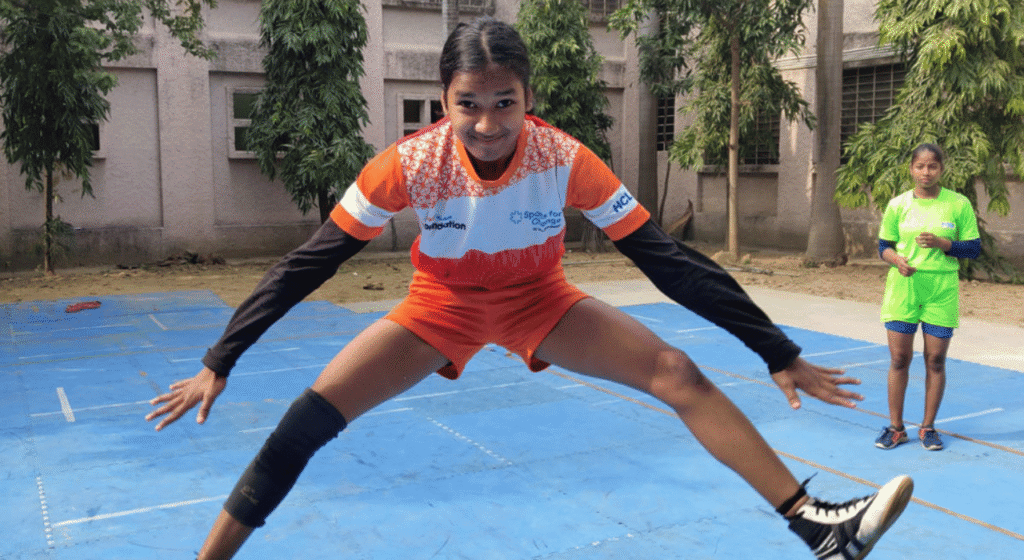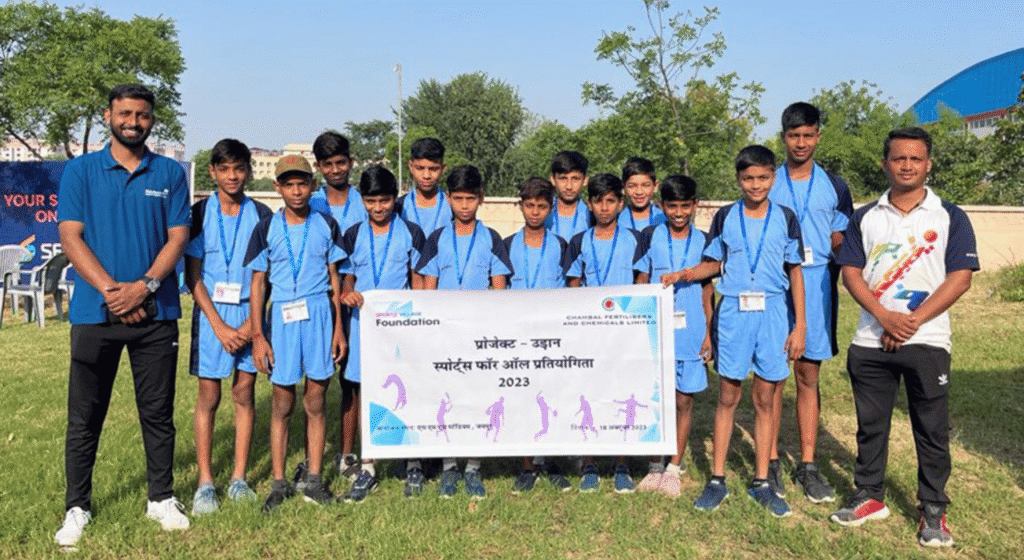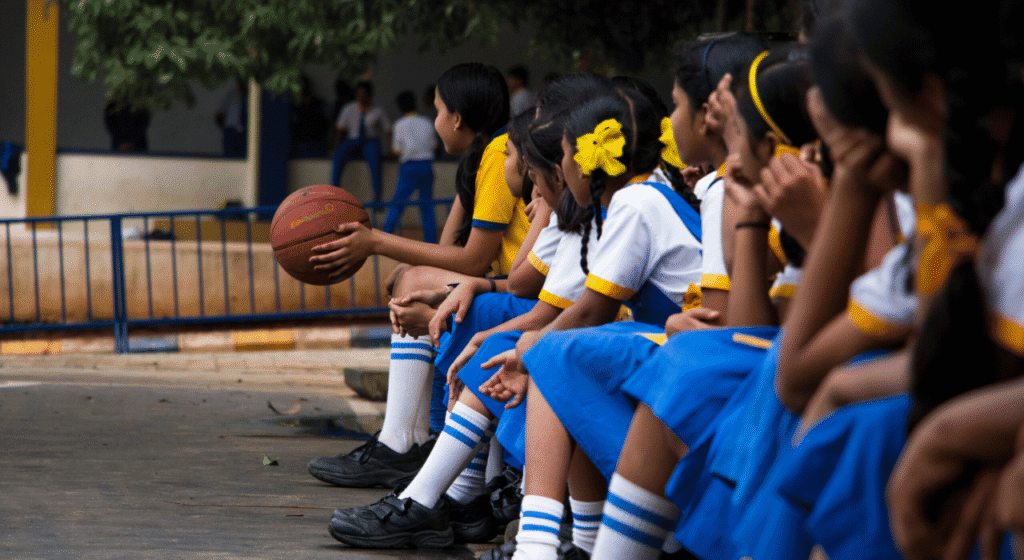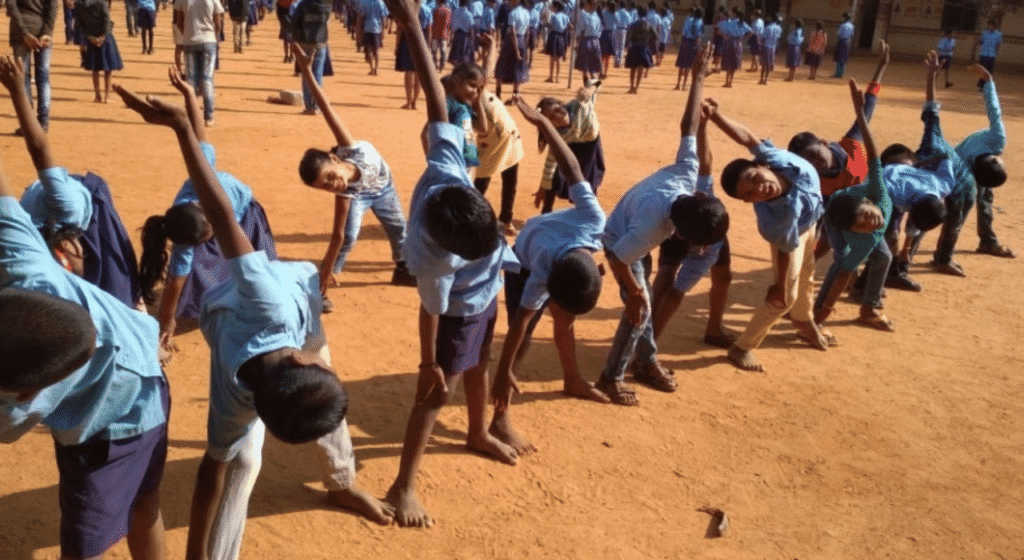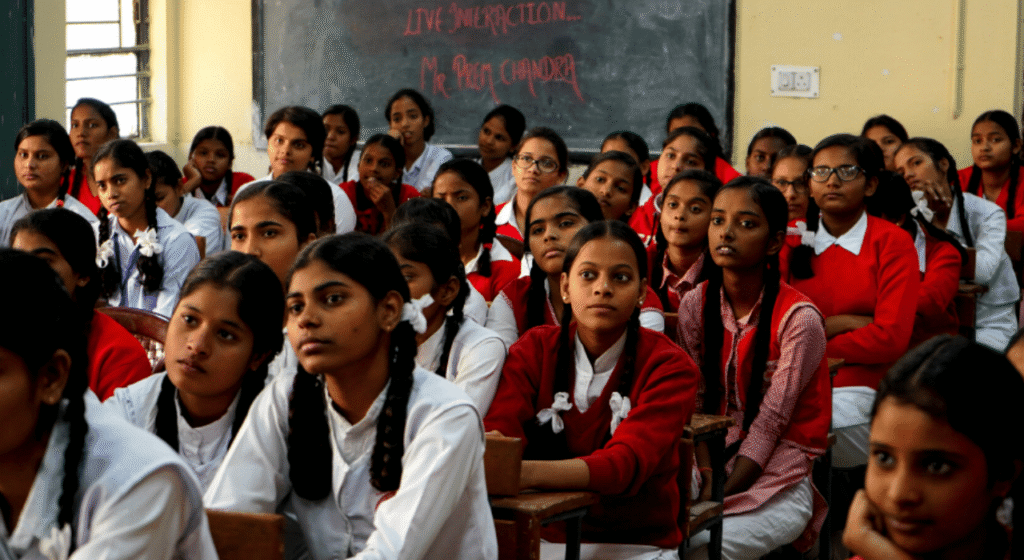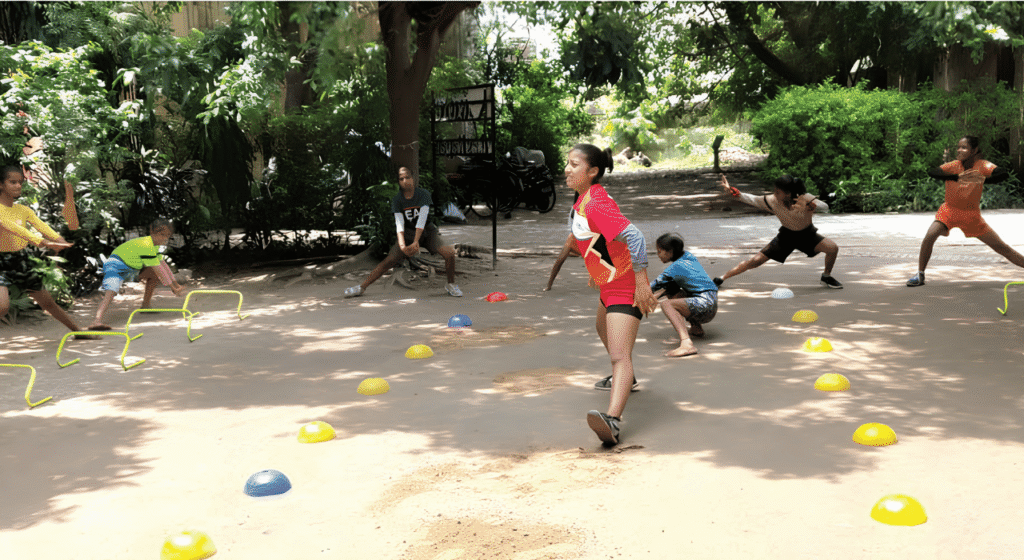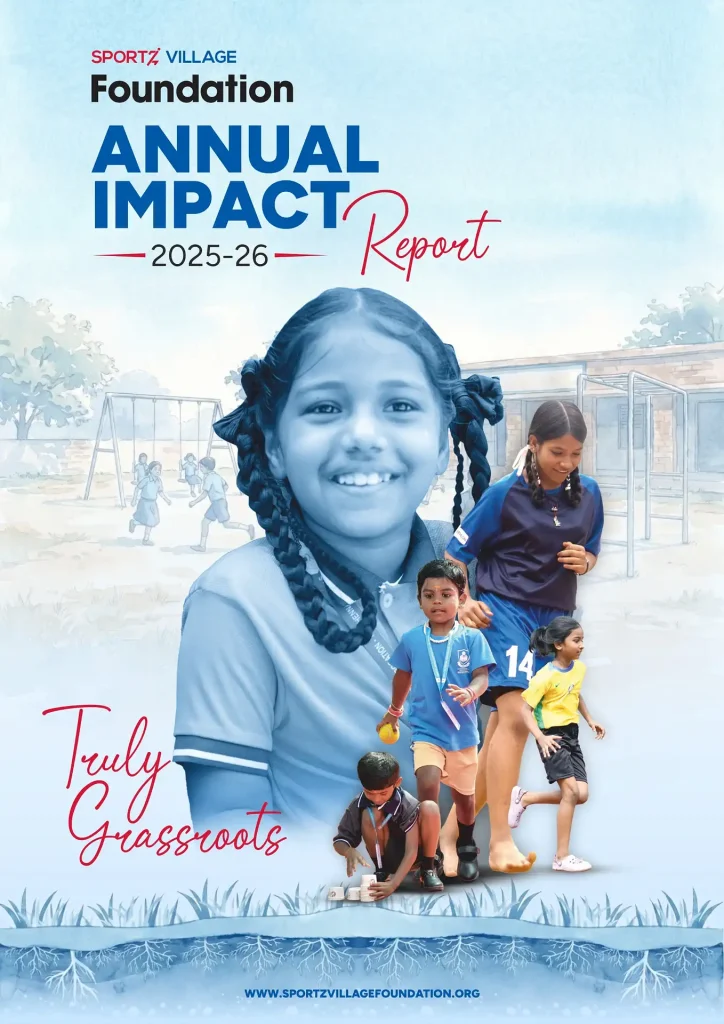
Sportz Village Foundation uses play and physical activity to improve health, education and development-related outcomes for children. Its programmes support disadvantaged children, youth and communities across more than 21 states in India.
The foundation’s work is built on the belief that play is not separate from learning. When integrated meaningfully into education, it can help children develop cognitive, social, emotional and physical capabilities while making learning more engaging.
The National Education Policy 2020 seeks to restructure India’s education system and address several structural challenges within school education.
The policy includes sport and physical activity as an integral part of a child’s educational journey across early, primary and secondary years.
This study explores how PLAY can be used by educators and administrators as a pedagogical tool to support the key principles and outcomes envisioned under NEP 2020.
In this context, PLAY is used interchangeably with sport and includes physical activity, active recreation, games and structured or unstructured forms of active play.
Play can help educators achieve several of the policy’s central principles, including:
NEP 2020 restructures school education around the age and learning stages of children.
This stage focuses on multilevel, play-based and activity-based learning.
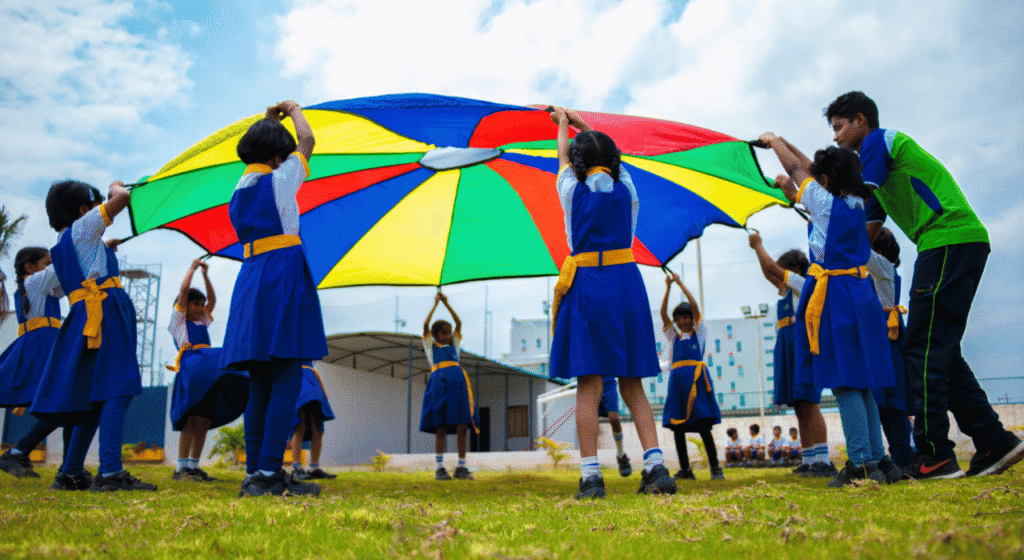
At this age, play can help children develop fundamental movement skills, confidence, coordination and the ability to engage with learning through exploration.
The preparatory stage builds on play, discovery and activity-based learning while introducing more formal but interactive classroom learning.
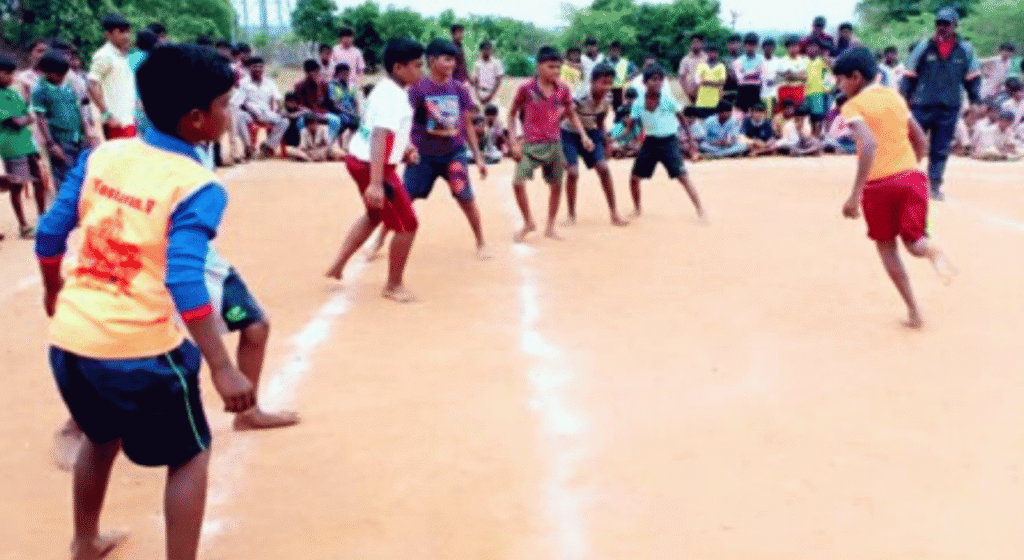
At this stage, children can begin developing multi-sport skills through exposure to different activities and structured games.
Middle school introduces subject teachers and more abstract concepts, while continuing experiential learning within each subject.
For children at this stage, sport can support sports proficiency, teamwork, problem-solving, critical thinking and a stronger connection to school.
The secondary stage builds on subject-oriented learning with greater depth and critical thinking.
At this level, play and sport can support talent identification, sports-specific coaching, leadership, decision-making and flexible learning pathways.
NEP 2020 emphasises that learning should be holistic, integrated, enjoyable and engaging.
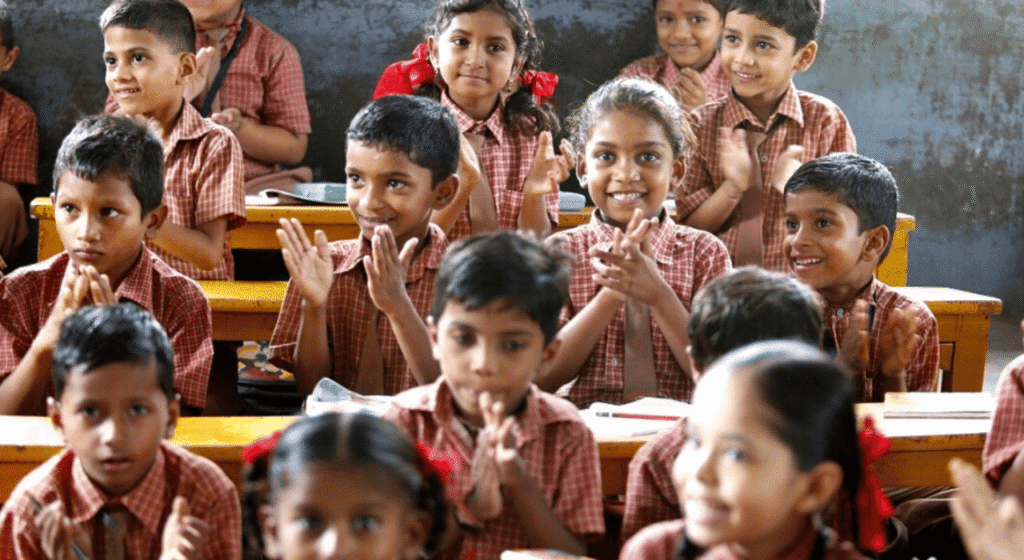
When play is integrated into the learning process, it can help children build both cognitive and non-cognitive skills. It can also reduce excessive dependence on rote learning by encouraging children to think, feel, do, collaborate and reflect.
Play supports the development of 21st-century skills by helping children learn through real experiences. It can strengthen cognitive, affective and psychomotor abilities together.
Integrating play into the core curriculum helps shift attention towards how children learn, not only what they memorise.
Sports-integrated learning can make academic concepts more active and meaningful. It allows children to apply thinking, physical action and social interaction in the learning process.
One of the important goals of schooling is ensuring that children are enrolled and attend regularly.
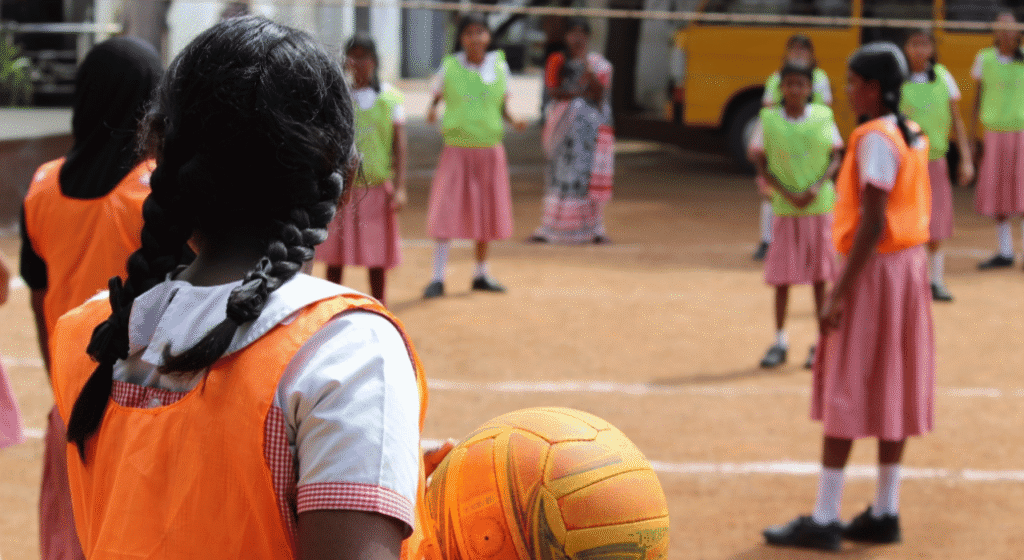
Structured sports programmes have been used to meaningfully engage children, improve classroom behaviour and encourage regular attendance. The study notes that improved attendance, discipline, attention span and peer relationships were observed after implementing a structured sports programme in public schools.
Overall attendance increased by 5% after the implementation of a sports curriculum.
Play and sport can reduce barriers to participation in education for children from socio-economically disadvantaged backgrounds.
It can create opportunities for children across gender, social, cultural, geographic and economic identities to interact with peers, build confidence and remain engaged in learning.
Play can also serve as an incentive for learning, development and employability among children and young people who may otherwise face limited access to opportunities.
Play can be a central tool in teacher education.
Teachers can use play-based approaches to build multidisciplinary thinking, create flexible learning pathways and bring experiential learning into the classroom. Sport can also help teachers explain academic concepts in ways that are practical, engaging and easier for children to understand.
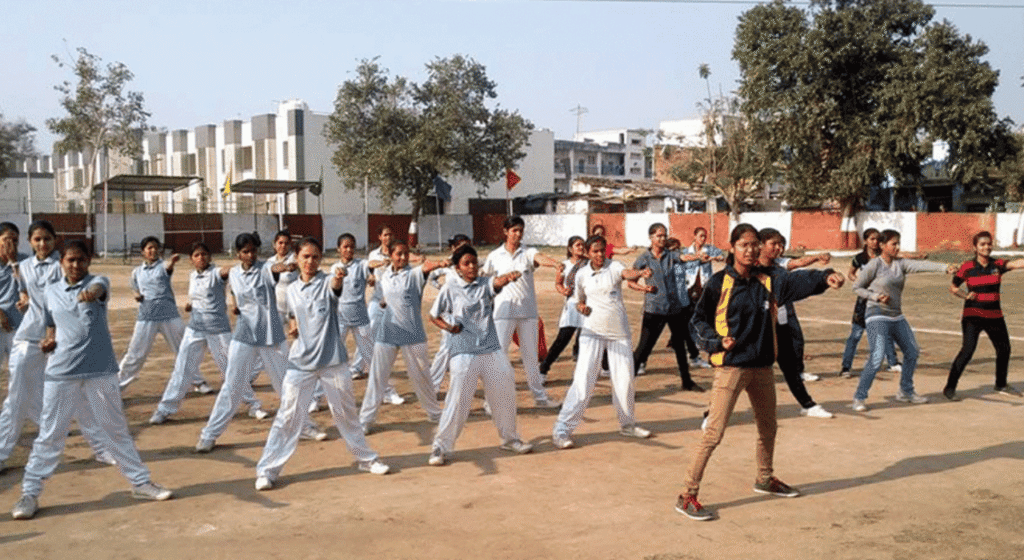
The study also highlights the role of play in supporting socio-emotional learning. After adopting sports in their regular routine, 7 out of 10 girls showed improvement in their social-emotional skills.
Play can help blur the boundaries between curricular and extra-curricular activities, enabling children to explore learning pathways across sciences, arts and vocational programmes.
Because play is language-neutral, it can also support children as they move from their mother tongue to other languages.
Play helps develop the three important learning capacities of:
It can also help educators move from rote and summative assessment towards formative, competency-based assessment that considers the cognitive, affective and psychomotor development of children.
For play to become an effective part of education, schools need access to:
Policy makers can integrate these elements into school regulation, accreditation, curriculum design and assessment systems.
Play addresses several challenges in children’s education and overall development. Beyond improving health and fitness, structured physical activity can support academic outcomes, social-emotional learning, attendance, behaviour, inclusion and engagement.
By integrating play into curriculum, teacher education and school administration, educators and policy makers can use it as a meaningful tool to achieve the wider vision of NEP 2020.