The world faced an unprecedented situation due to COVID-19, a “black-swan” event that affected life in unforeseen ways. Lockdowns across many countries forced people to adopt new social behaviours and reassess their economic activities.
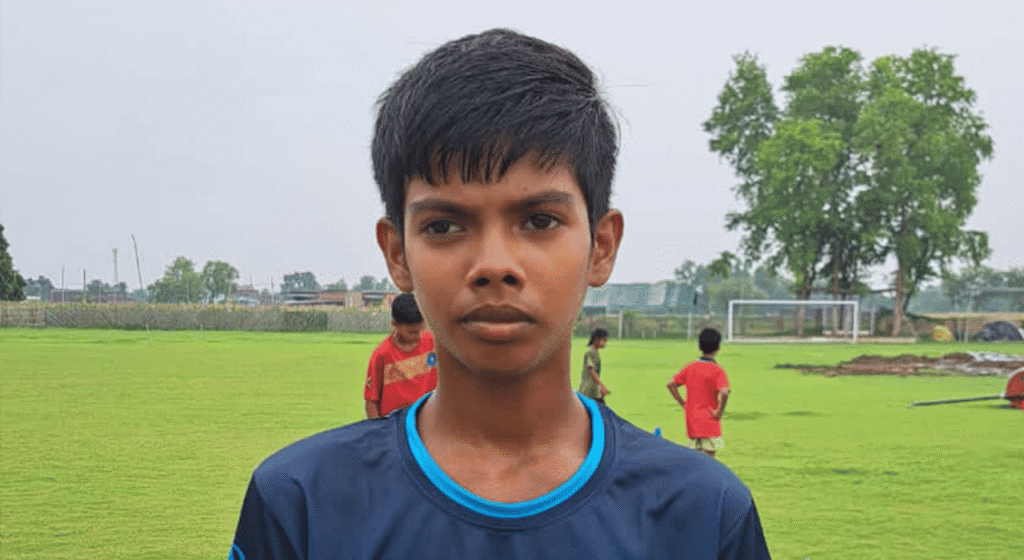
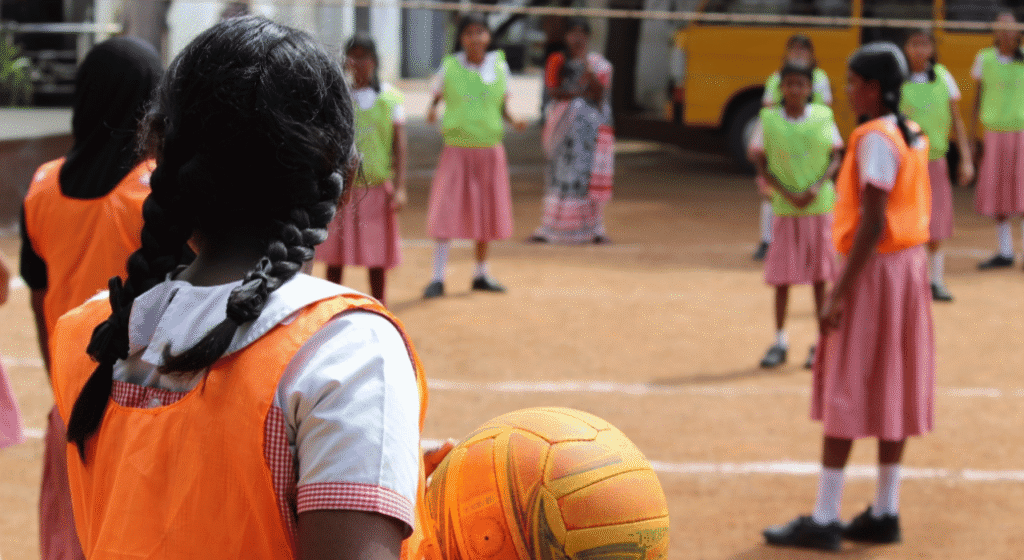
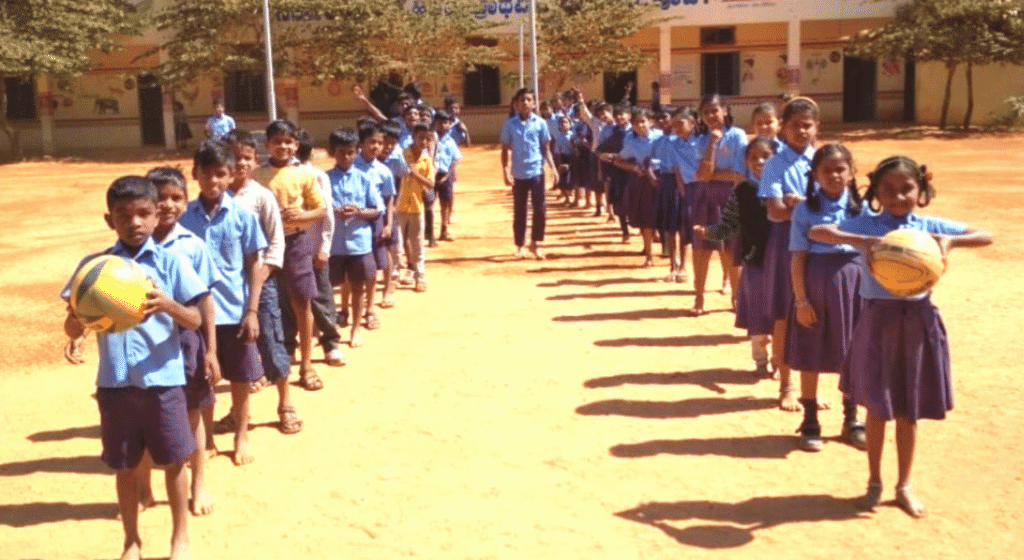
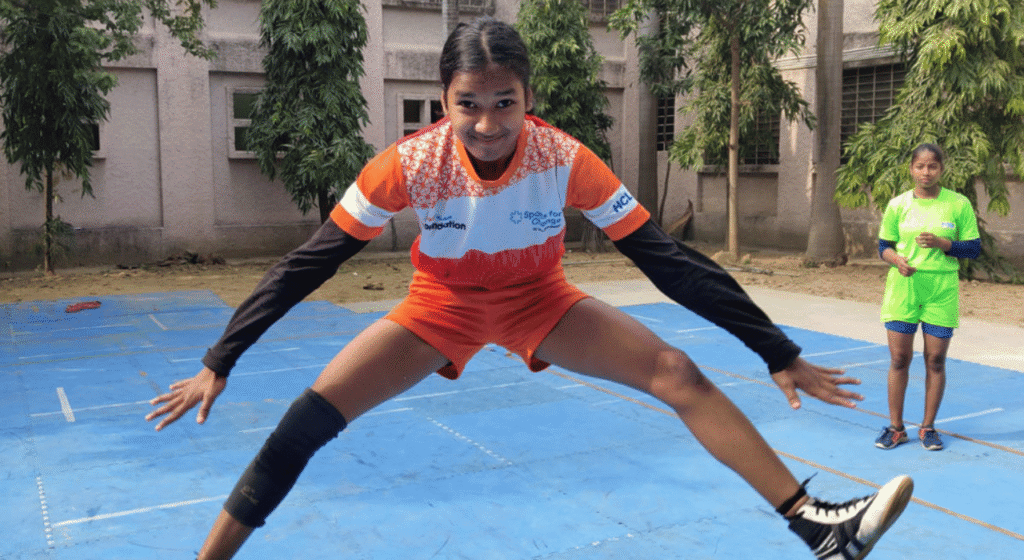
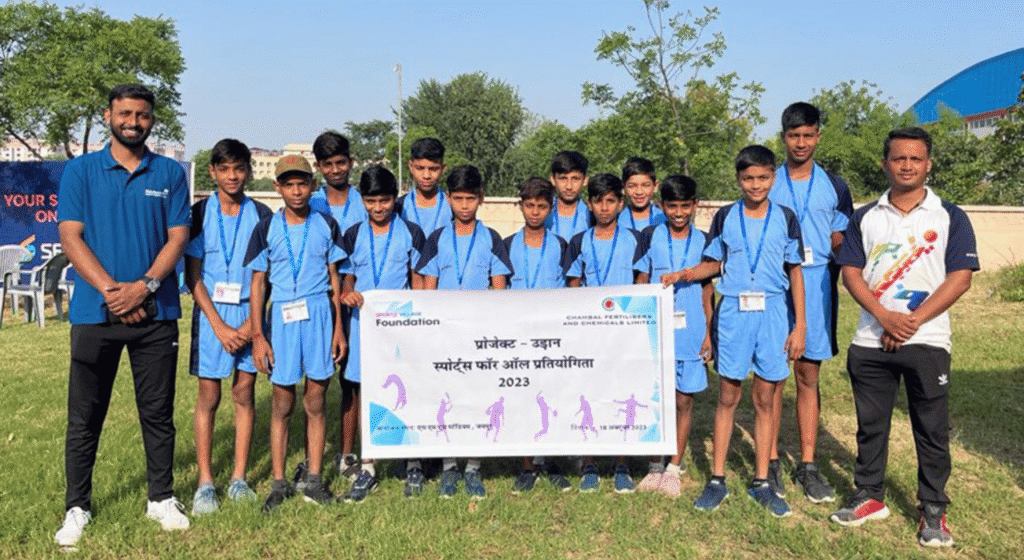
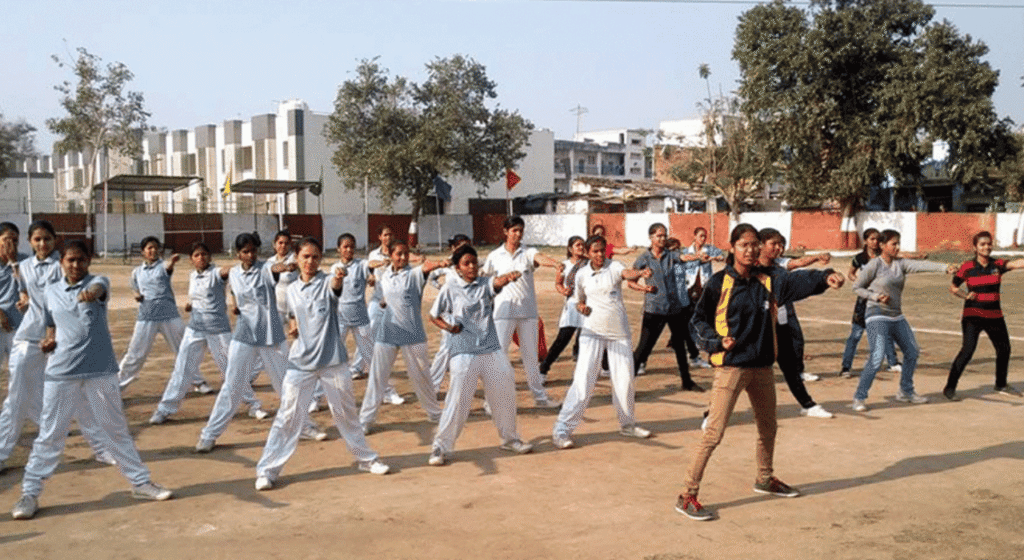
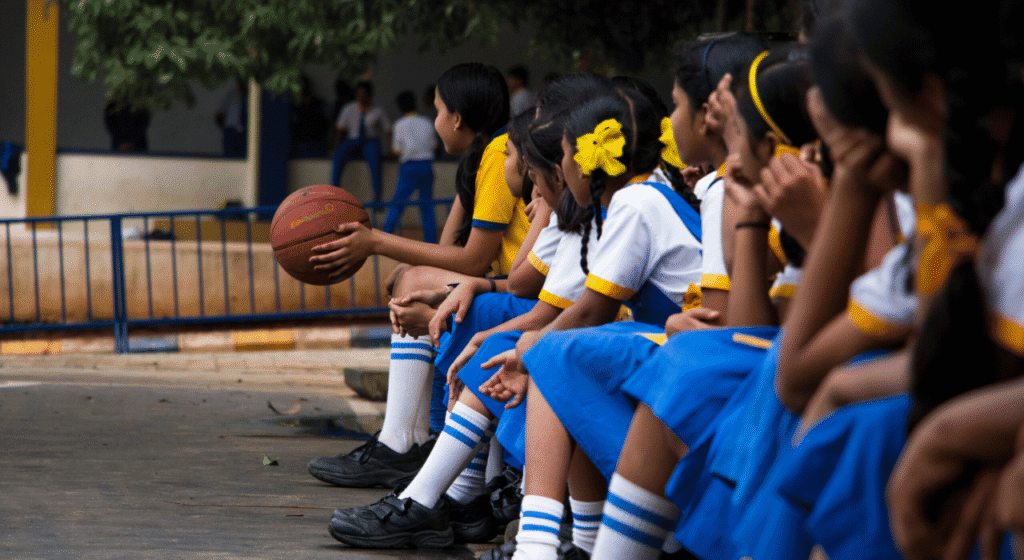
Among the many implications of the outbreak was the abrupt closure of schools and social spaces that had enabled children and adolescents to participate in physical activity and sport.
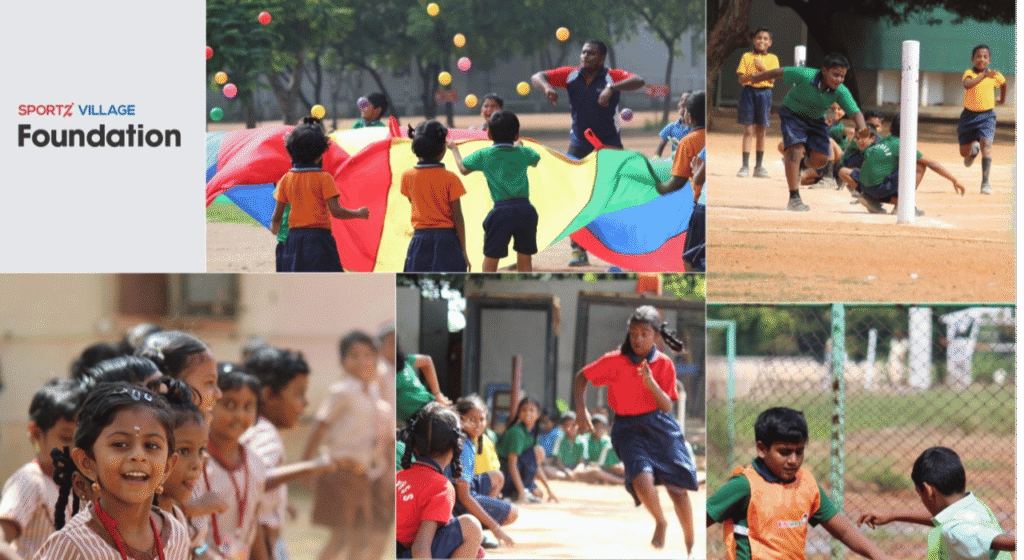
This paper highlights the importance of access to sport for children, especially those from disadvantaged backgrounds. It also offers a framework for educators and development experts to engage children through physical activity during and after lockdown, when isolation, social distancing and personal hygiene may continue to influence the schooling system.
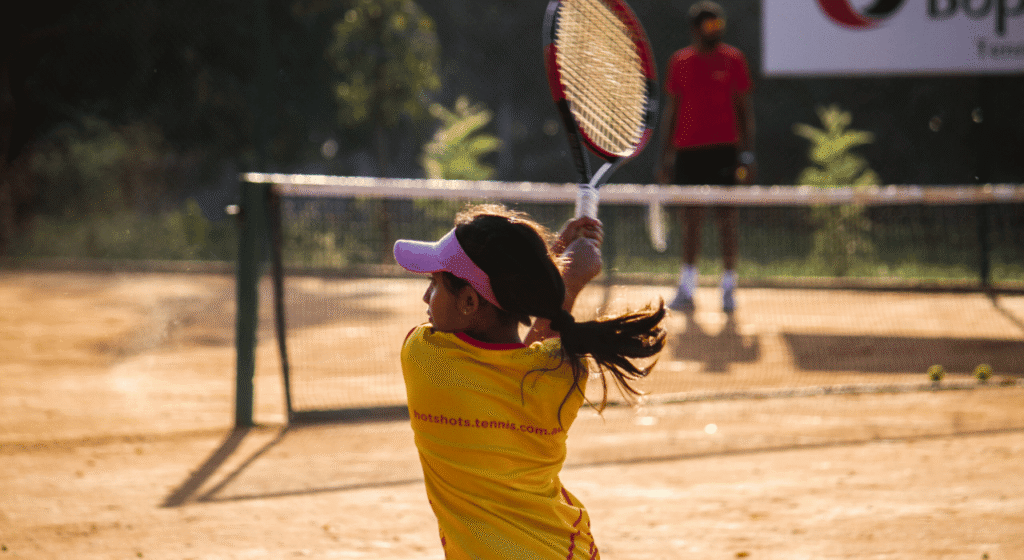
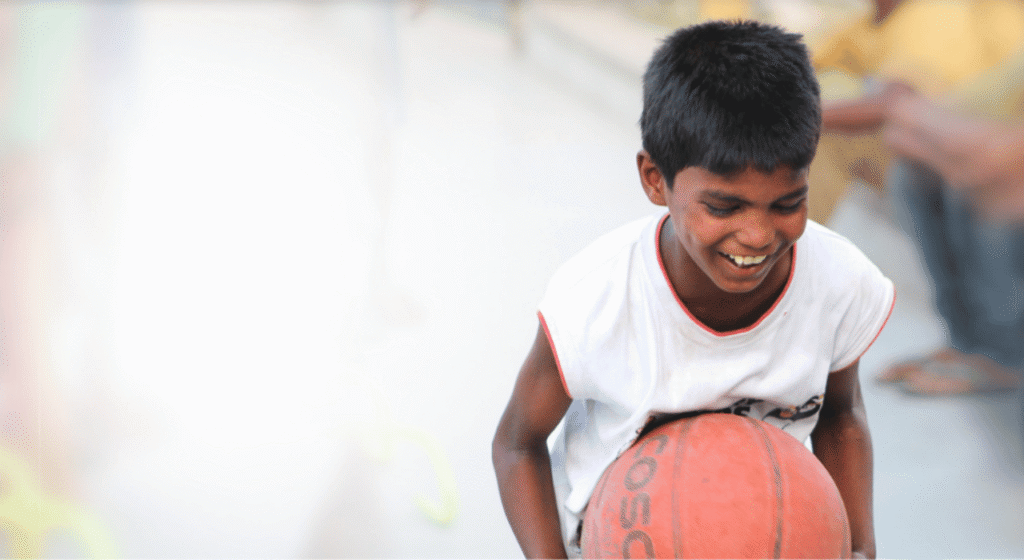
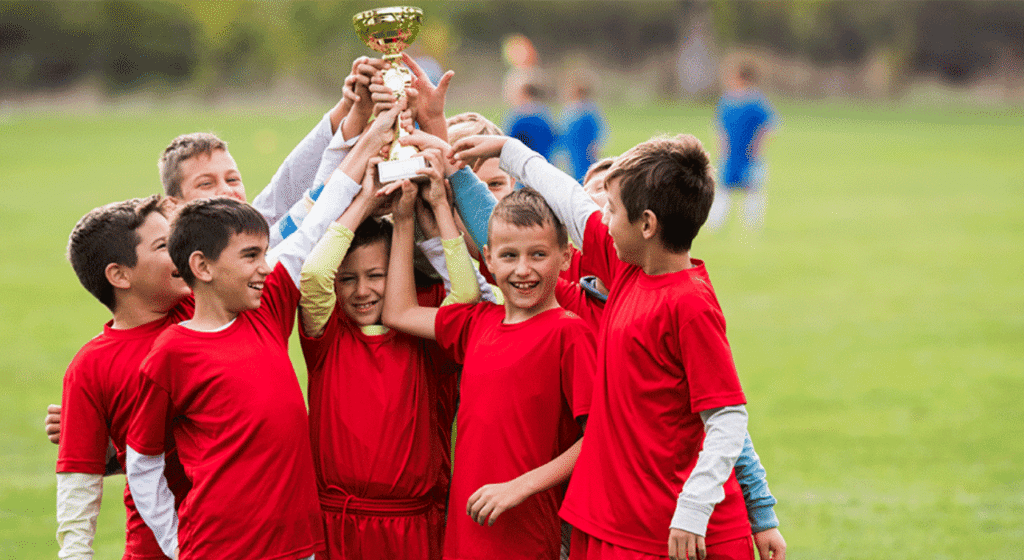
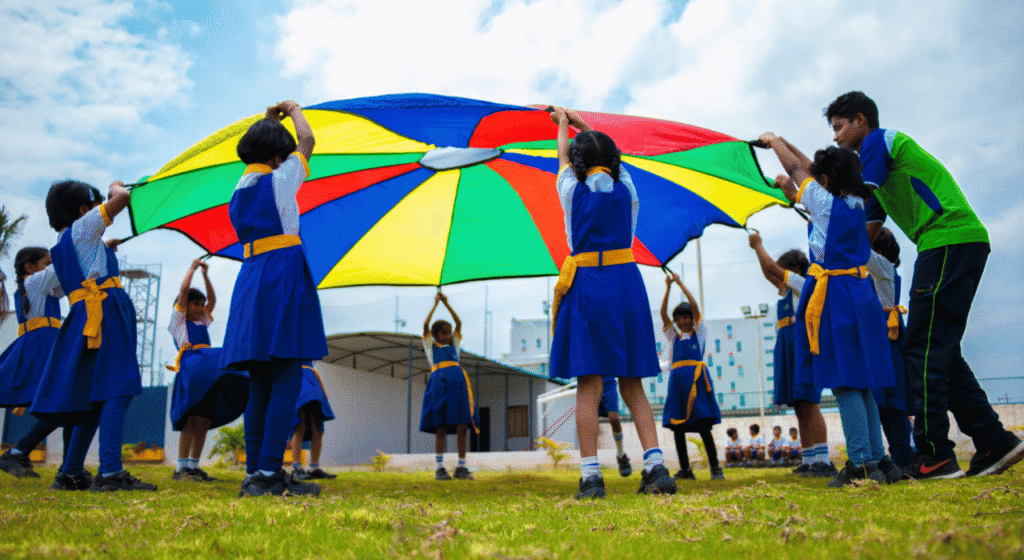
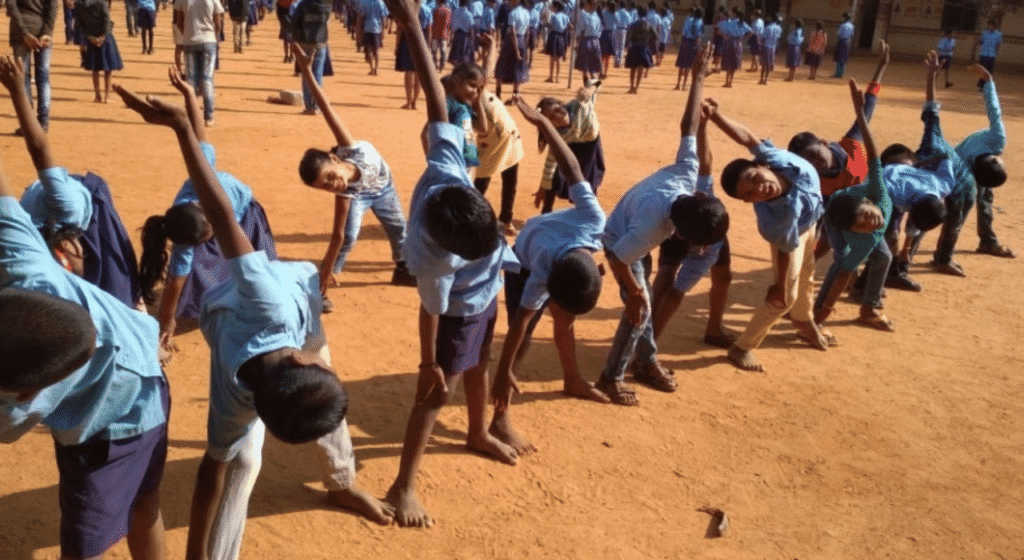
Play is a natural impulse for children and an important way for them to engage socially with friends and peers. Depriving children of physical activity can lead to lower levels of physical dexterity and fitness, and may also affect their psychological and emotional wellbeing.
During an outbreak, access to trusted information, hygiene practices and stronger immunity levels are important conditions for preventing the spread of infection. Physical wellbeing plays an important role in helping children remain healthy.
The complete absence of both structured and unstructured physical activity and sport can leave children highly vulnerable.
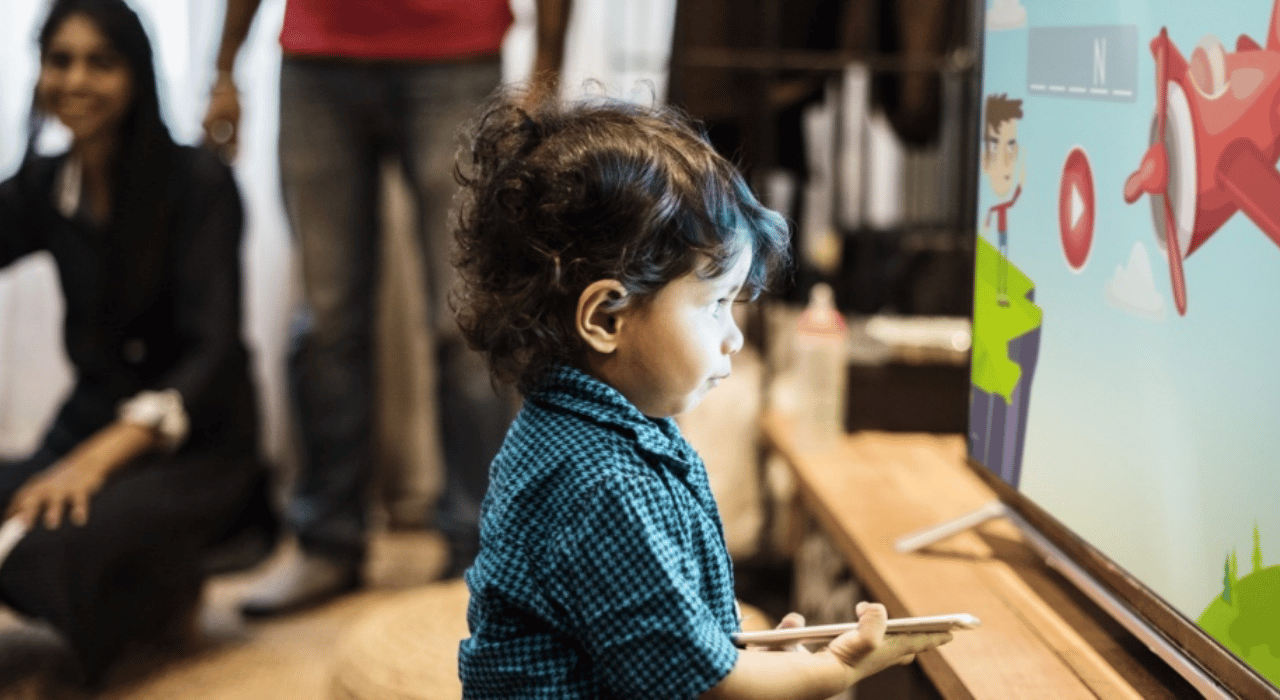
One of the ways being used to engage children in physical activity during the outbreak was through online content and video-conferencing sessions. This could work well for children and households with existing internet access.
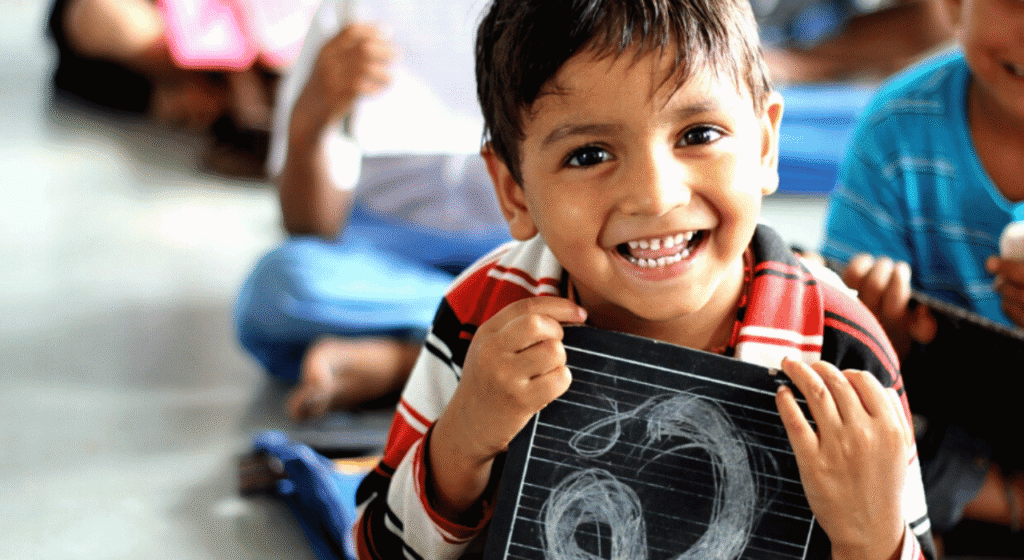
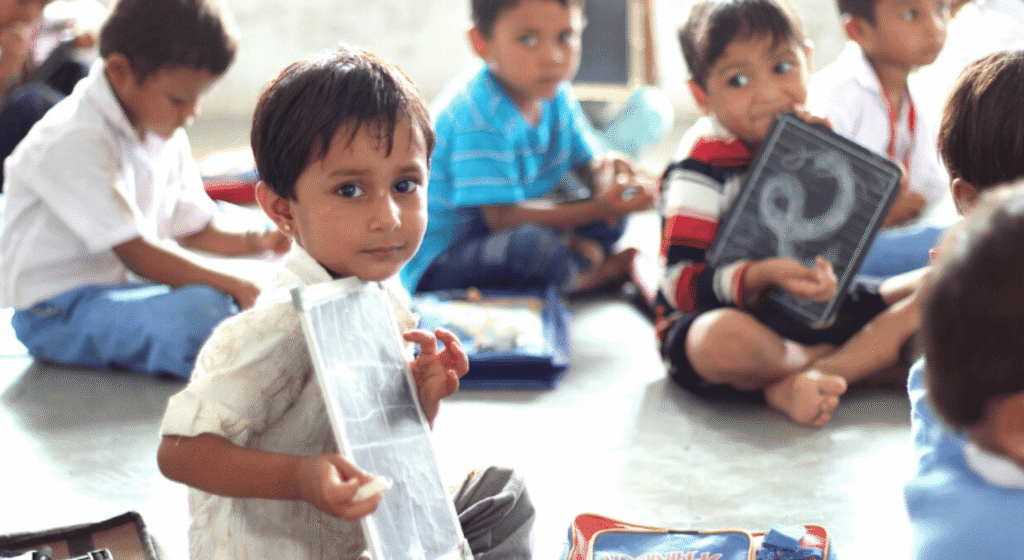
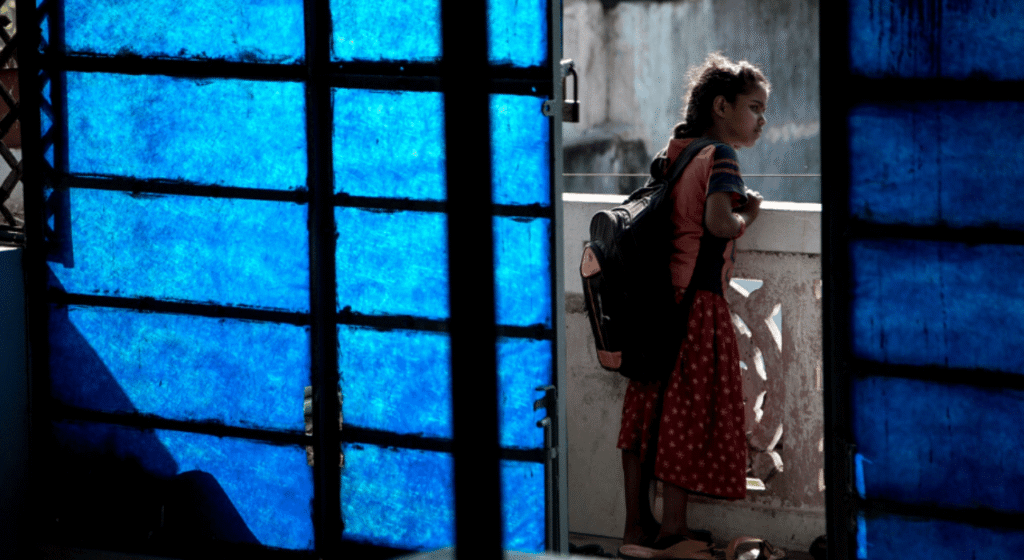
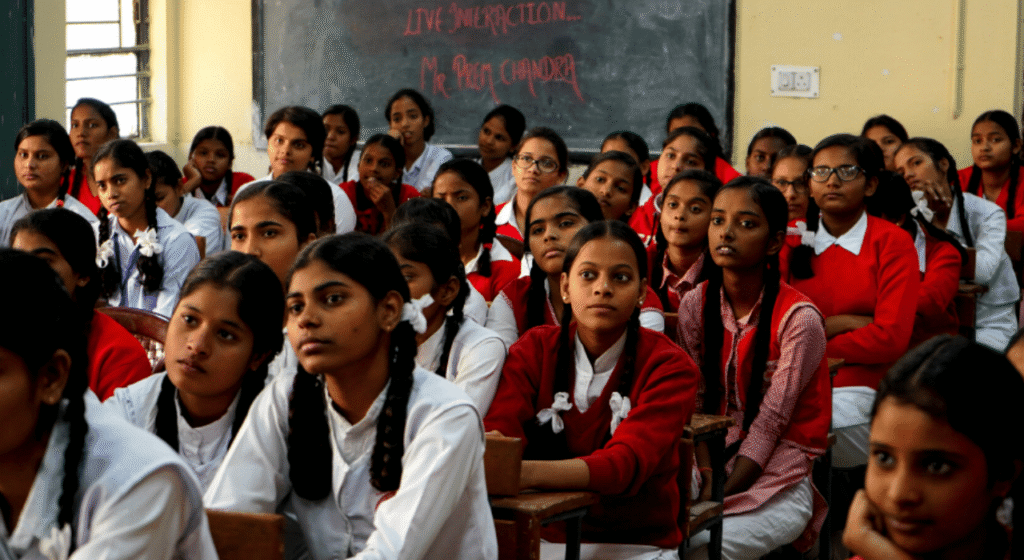
However, a large number of children in India depend on the public schooling system and come from low-income communities. Many may not have access to online learning tools and, in some cases, families may be struggling with basic needs due to loss of livelihood during the lockdown period.
Even after schools reopen, the need for social distancing may continue to affect children’s participation in sport. These circumstances require educators, schools and communities to reimagine key elements of sports education to ensure equitable participation wherever possible.
The framework focuses on four key areas that can help schools and organisations continue sports education interventions during periods of disruption.
The curriculum should focus on virtual learning, social distancing and modified activity formats. Sports education activities can be adapted for home-based delivery during lockdowns and low-contact participation when schools reopen.
Trainers should be equipped to deliver virtual and home-based activities, supervise distance learning, and guide children on preventive health, hygiene and community health practices.
During lockdown, schools can conduct home-based task-oriented activities and digital awareness drives in child-friendly formats. Once schools reopen, events can be planned around no-contact or low-contact sports, along with awareness camps for children and parents.
The program should bring together parents, schools, communities and CSR partners through realigned goals, collaboration and ongoing support for children.
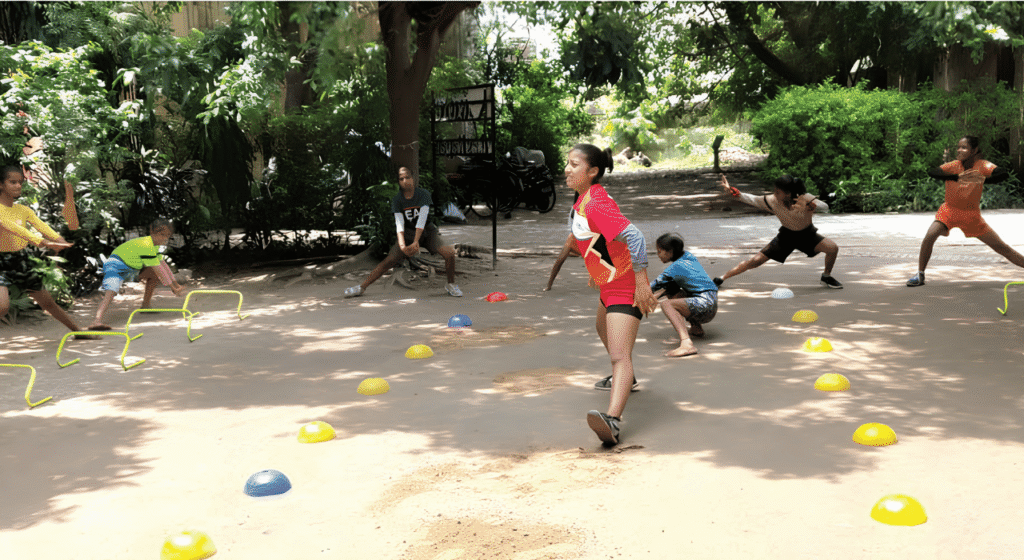
Before the pandemic, sports education was delivered through structured physical education curriculum supervised by designated trainers. Training focused on classroom and on-ground delivery, while events and camps followed the school calendar.
During lockdown, a modified home-based curriculum could be supervised by parents or designated trainers.
Delivery formats could include:
Training during this period focused on delivering in-home curriculum and supervising virtual or distance-learning activities. Events could be replaced with home-based tasks and digital awareness initiatives.
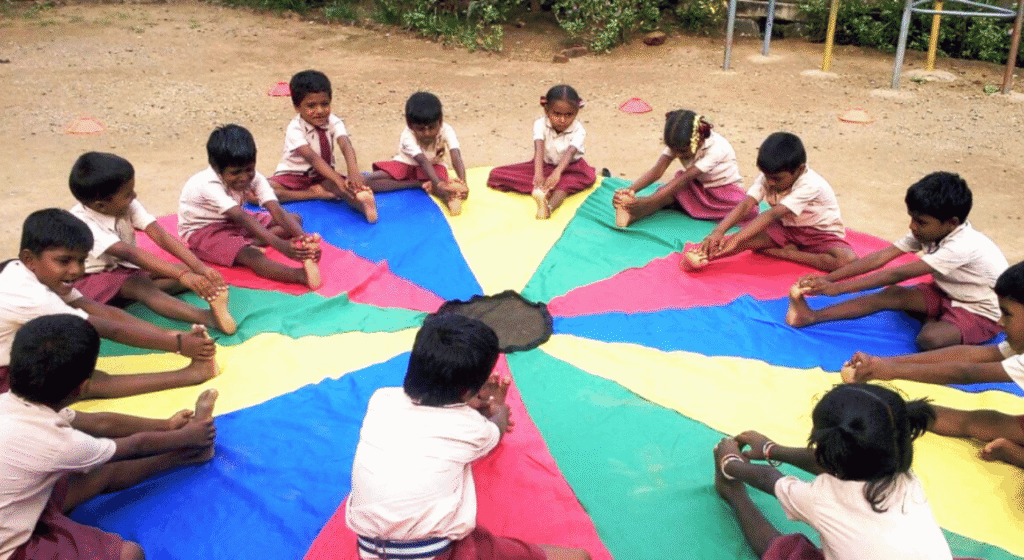
After schools reopen, the curriculum can be adapted for no-contact or low-contact drills and games in smaller groups, while maintaining appropriate physical distancing.
The recovery-phase program should also include:
Program monitoring should focus on:
Parents can support the programme by encouraging children to attend school, participating in selected meetings and awareness sessions, and helping children use home-based curriculum where required.
Schools can support the delivery of the programme, coordinate at-home learning when needed, and help conduct awareness camps and sports events.
CSR partners can align sponsorship with larger CSR goals and vision, support pilot programmes, enable collaboration with other initiatives and provide ongoing support for children and communities.
India has almost 600 million individuals under the age of 21 and around 150 million children in the public-school system. Ensuring access to transformation tools such as sports education is highly critical.
By following practical measures that enable safe and inclusive participation, children can continue to enjoy sporting activities, remain healthy and emerge with the strength and ability to thrive in a post-COVID-19 world.