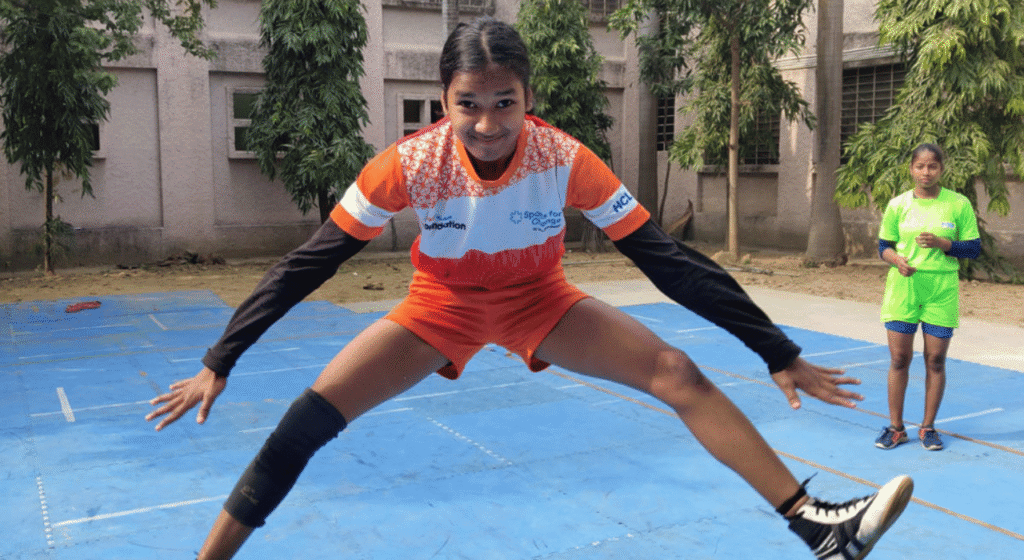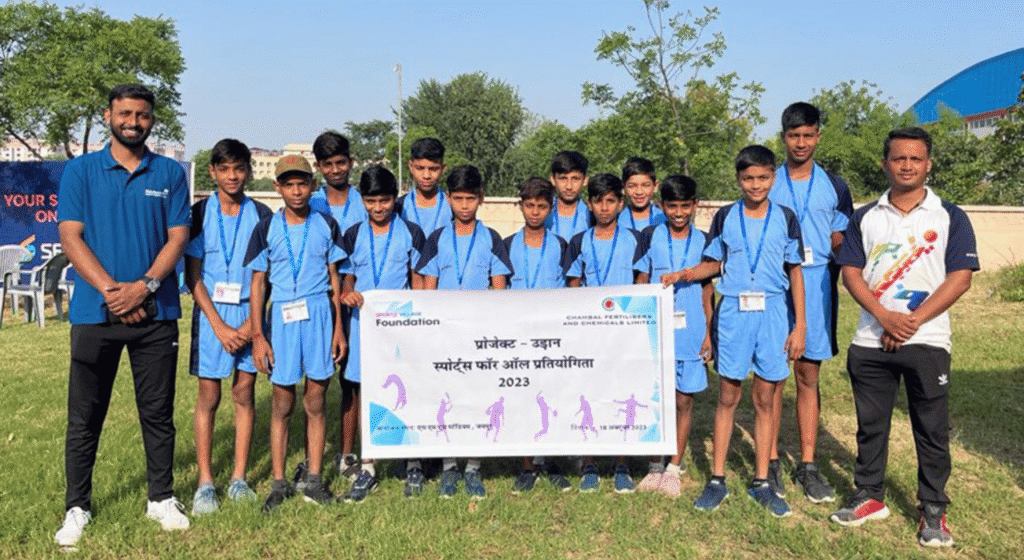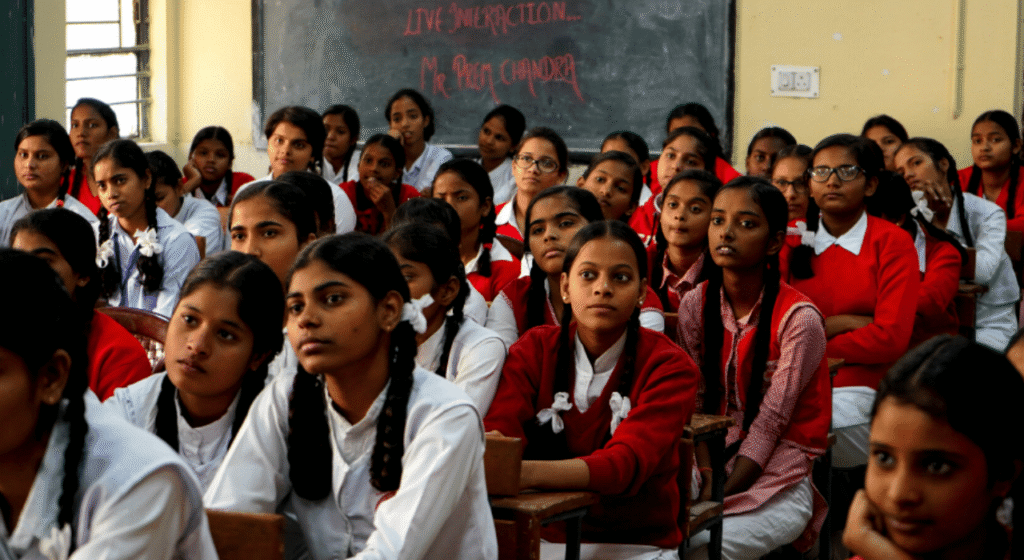
Sportz Village conducted a detailed study for a leading health beverage brand to identify and validate the social barriers that limit girls’ participation in sport.
The study was designed to help the brand prioritise key challenges faced by girls in sports and align campaigns and interventions that could address those challenges through action.
It demonstrates how brands can use data-led insights to build stronger advocacy for women in sport.
The study focused on one key question:
Why are fewer girls playing cricket in India?
The research aimed to understand whether limited access to girls-only teams, mixed-team inclusion, social attitudes and peer participation were influencing girls’ involvement in the sport.
The study followed a three-stage process.
The starting point was the low participation of girls in cricket.
Sportz Village conducted a survey among more than 800 coaches to understand the underlying reasons why girls may not be participating in the sport.
Based on the findings, Sportz Village designed potential interventions and properties to encourage girls’ participation in cricket.
The analysis brought together three key sources of insight:
The study tested the following hypothesis:
Fewer girls play cricket in India because there are limited or no opportunities for girls-only teams, or for girls to be meaningfully included within mixed teams.
The survey highlighted several barriers that may affect girls’ participation in sport.
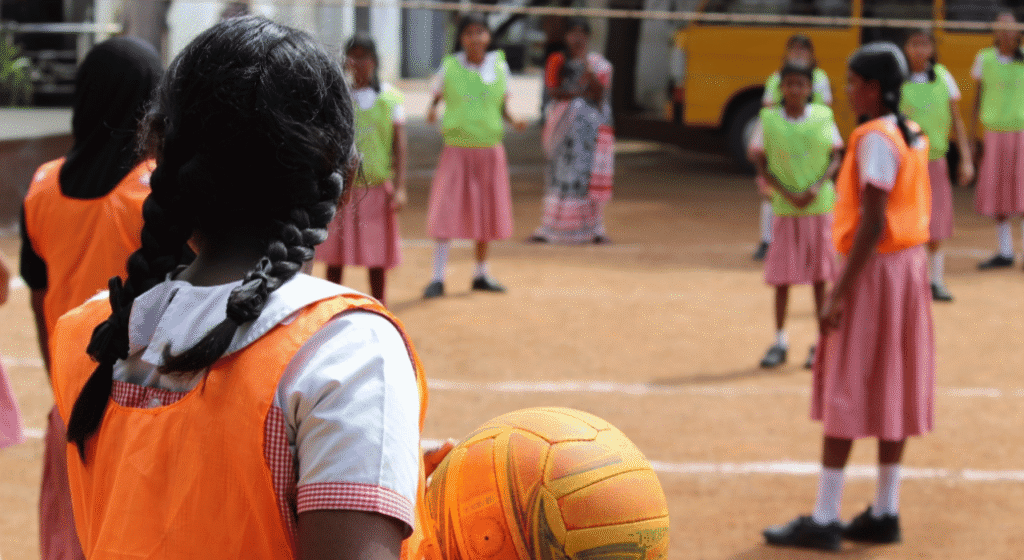
While 87% of respondents said mixed sports are organised during physical education periods, respondents observed that boys tend to be more comfortable participating in mixed sports than girls.
A total of 72% of respondents felt that girls are made fun of because of perceived lack of strength or skill when joining a mixed team.
This suggests that social judgement and confidence barriers can affect girls’ willingness to participate.
The study found that 79% of respondents said girls choose individual or smaller-team sports.
This may be because these formats reduce the dependence on having a large group of girls available to form a team.
A total of 64% of respondents had observed girls stopping themselves from playing cricket because other girls were not participating.
This highlights the importance of peer participation, friendship groups and visible opportunities for girls to play together.
The findings suggest that the issue is not simply about whether mixed sports exist in schools.
Despite the wide prevalence of mixed sport, girls may still feel less comfortable participating because of social barriers, fear of judgement and a lack of enough girls to play alongside them.
The study identified four key insights:
The study identified several opportunities for organisations, schools and brands to make sport more accessible and welcoming for girls.
Create opportunities for girls to explore, learn and participate in sports that interest them.
Challenge the assumptions, attitudes and social pressures that discourage girls from playing sport.
Create more girls-only sports development platforms at the grassroots level, where children can learn and play with confidence.
Offer dedicated sports coaching and skill-development programmes for girls.
Create engagement opportunities where girls can interact with leading women in sport, see representation and imagine their own sporting futures.
The study shows that increasing girls’ participation in sport requires more than simply offering access to a playground or a mixed-team activity. Girls also need safe, encouraging and socially supportive spaces where they can build skill, confidence and a sense of belonging.
By using research to understand these barriers, brands, schools and sports organisations can create interventions that help more girls participate, stay involved and thrive in sport.