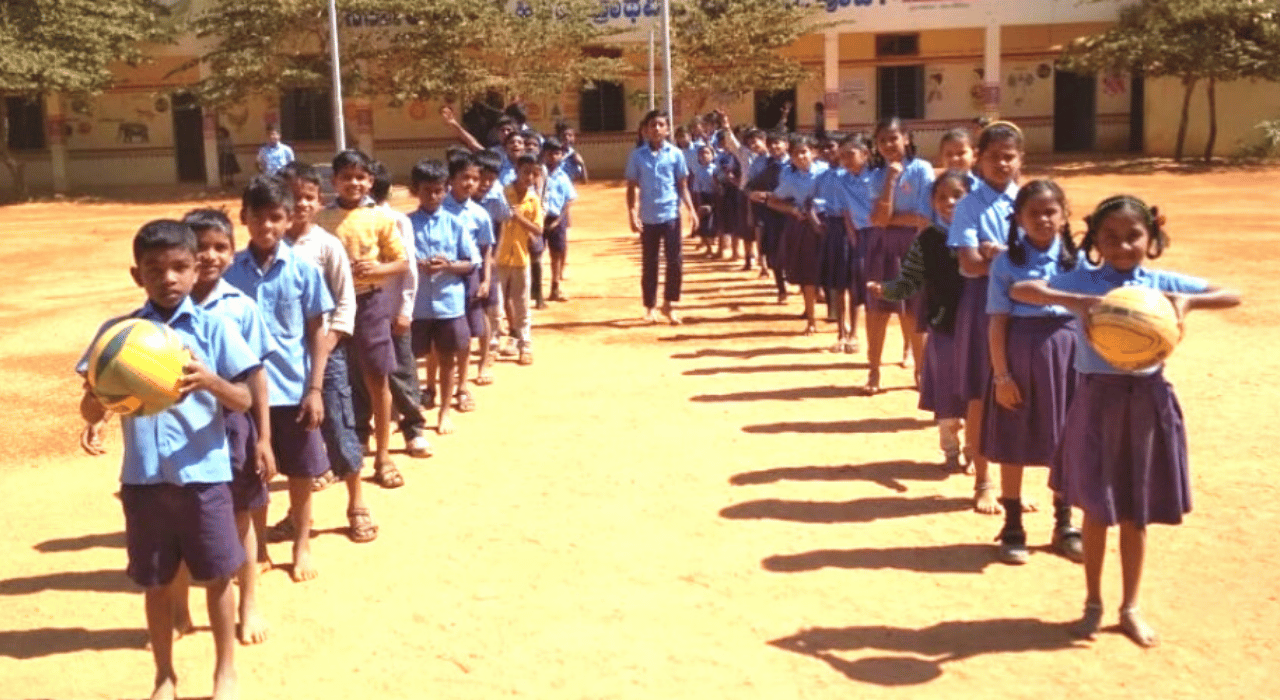
Sportz Village’s Annual Health Survey was launched to understand the overall health and fitness levels of children.
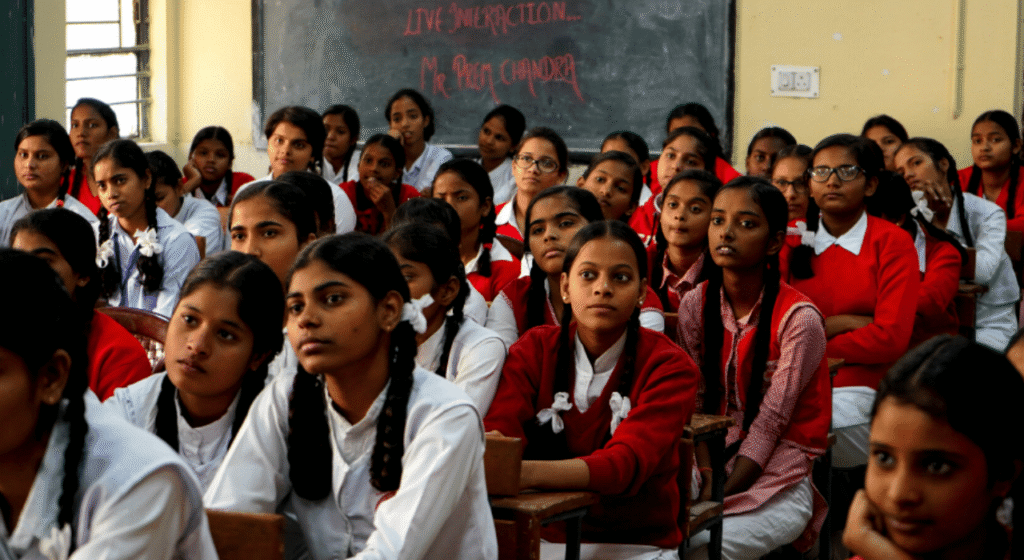
The nationwide study covered more than 2,00,000 children aged 7 to 18 years from approximately 700 public and private schools. The report focuses on children in public schools and presents important findings on health, fitness and the need for sustained sports education.
The survey found that fitness levels among public-school children were alarmingly low across several key physical health parameters.
Upper body strength refers to the strength of muscles including the chest, upper back, shoulders, triceps and biceps.
The survey found that 4 in 5 children did not possess adequate upper body strength.
Lower body strength includes the strength of muscles in the legs, hips and calves.
The survey found that 2 in 3 children did not possess adequate lower body strength.
Aerobic capacity is the ability of the heart and lungs to supply oxygen to the muscles during activity.
The survey found that 3 in 5 children did not possess the desired aerobic capacity.
Anaerobic capacity relates to the energy required for high-intensity, short-duration activities such as sprinting.
The survey found that 3 in 10 children did not possess adequate anaerobic capacity.
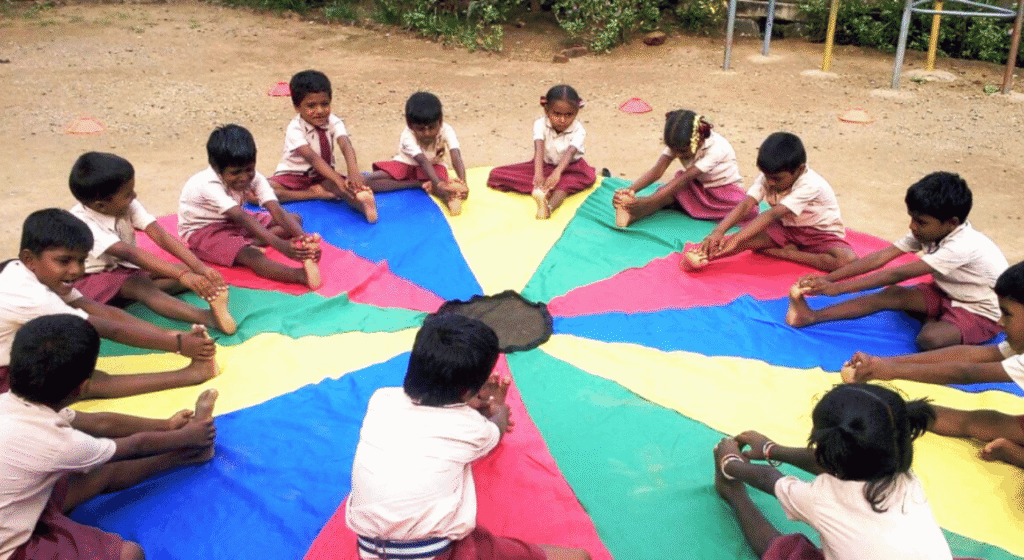
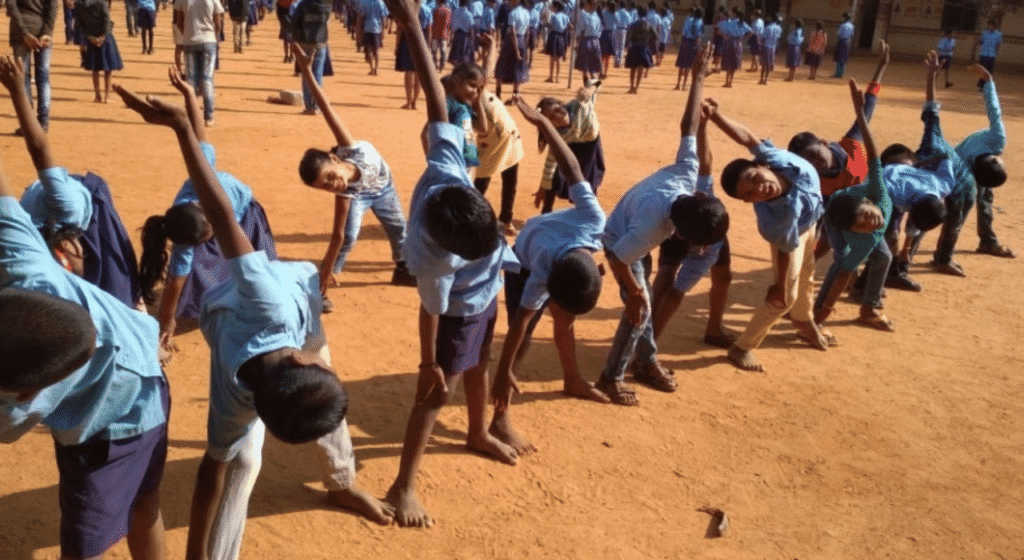
Flexibility is the ability of the joints to move freely.
The survey found that 1 in 5 children did not have the desired flexibility.
Core strength refers to the strength of the muscles in the torso, which contribute to posture and stability.
The survey found that 1 in 5 children did not have the desired abdominal strength.
Body Mass Index, or BMI, is calculated using an individual’s height and weight to assess whether they are within a healthy weight range.
The survey found that 2 in 3 children did not have a healthy BMI.
The survey found that only 35% of children in public schools had a healthy BMI, compared with 47% of children in private schools.
At the same time, public-school children performed better in flexibility, aerobic capacity and anaerobic capacity. They also performed at par with private-school children in lower body strength and abdominal strength.
The survey found that 37% of girls had a healthy BMI, compared with 34% of boys.
Boys performed better than girls in lower body strength, aerobic capacity and anaerobic capacity. However, girls outperformed boys in upper body strength.
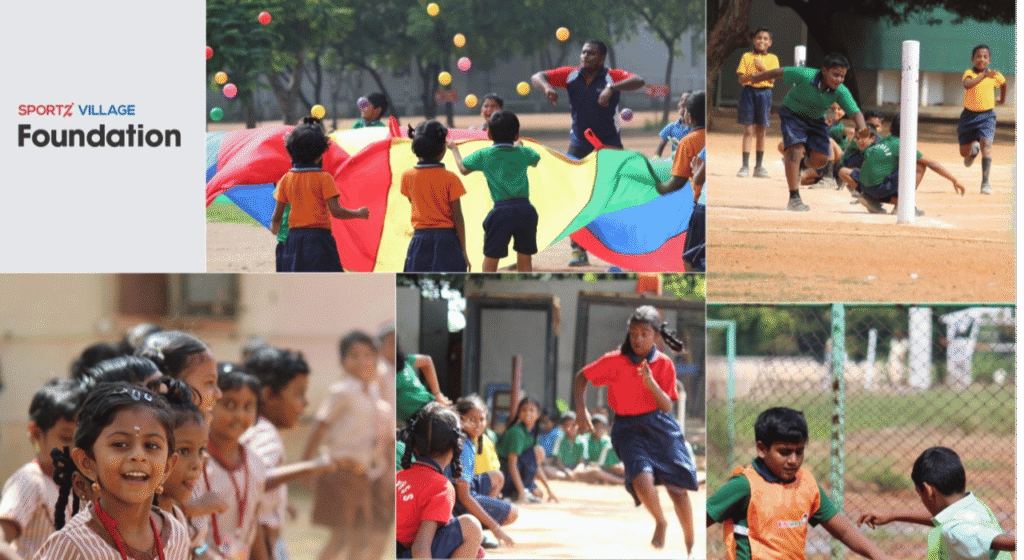
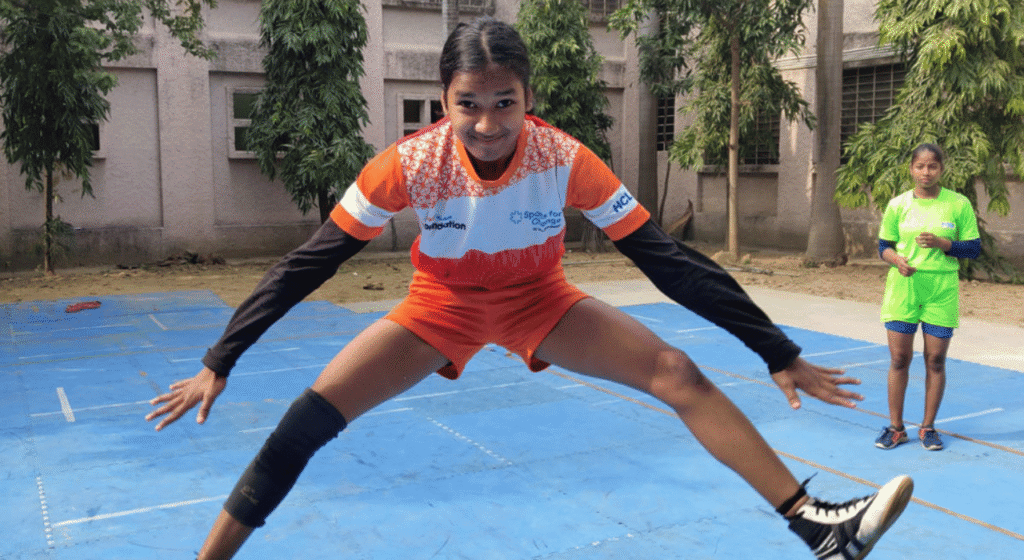
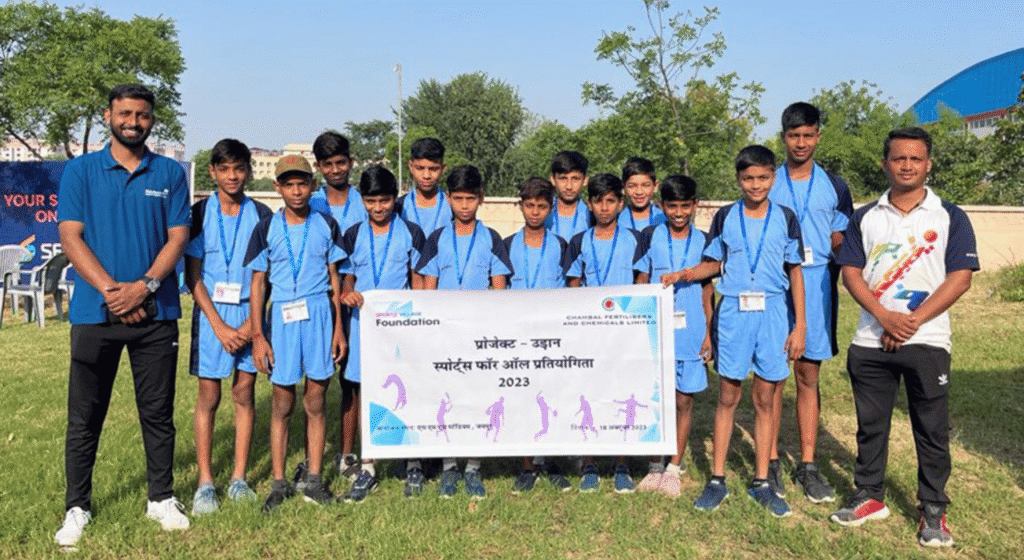
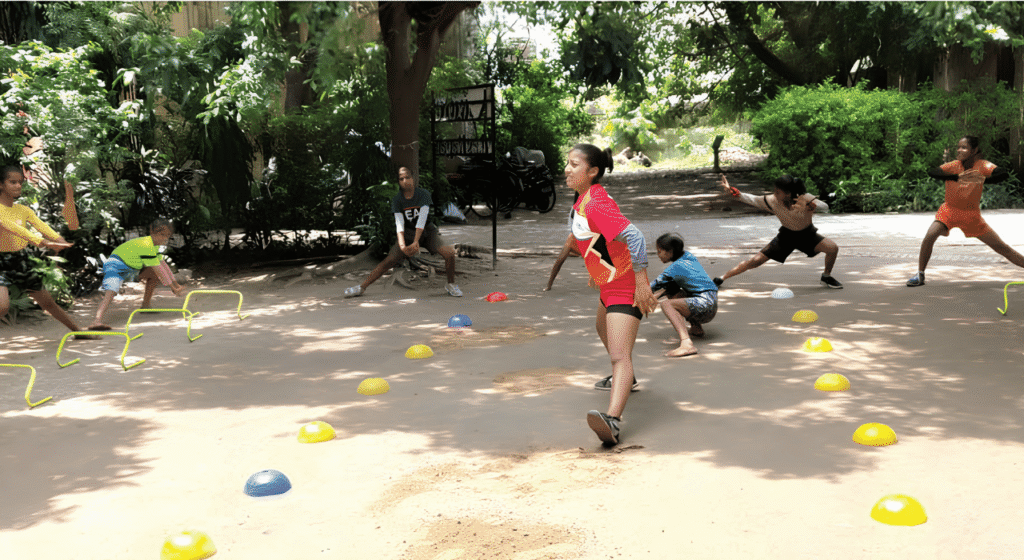
Sportz Village Foundation implemented its Sport For Change programme in 400 public schools across the country to improve children’s health and education.
The survey observed several improvements during the course of one academic year:
The findings also showed that children experienced a drop in physical fitness during the summer vacation, when they were no longer participating in the programme.
The report recorded the following declines during the vacation period:
This highlights the need for continuous and structured intervention to help children maintain their health and fitness levels.
The report reinforces that sport can be a powerful tool for positive transformation in children.
Structured sports programmes integrated with the school curriculum can improve physical fitness, health and overall development. They can also support better educational outcomes by helping children remain active, engaged and connected to their school experience.
“Sport is a powerful tool to drive positive transformation in children. Even though the quantum of unhealthy children in public schools is alarming, there is positive news for all of us as highlighted by the study. Firstly, girls seem to hold out a promise on their health and fitness levels at the primary education level. Second, introduction of a structured sports program integrated with the curriculum of the schools has markedly improved the health and overall development of children. Lastly, the study reinforces the premise that access to high quality infrastructure and sporting experience is critical to improve the overall educational outcomes of children in schools.”
— Parminder Gill, Co-Founder and Head, Sportz Village Foundation