2nd Annual Health Survey for Public Schools

Why Children Need Structured Sports

Sportz Village Foundation’s Annual Health Survey for public schools seeks to understand the health and fitness levels of Indian children studying within the public-school system.

The survey collected information from 57,314 children across 422 schools. Its findings indicate that many children in public schools display poor fitness levels and, in several areas, fare worse than children studying in private schools.

Key Findings of the Survey

The survey assessed children across important fitness and health parameters, including Body Mass Index, aerobic capacity, anaerobic capacity, core strength, flexibility, lower body strength and upper body strength.

The findings show:

  • 3 in 5 children did not have a healthy Body Mass Index
  • 2 in 3 children did not have the desired aerobic capacity
  • 1 in 4 children did not possess the desired anaerobic capacity
  • 2 in 5 children did not have the desired abdominal or core strength
  • 1 in 3 children did not possess the desired flexibility
  • 2 in 3 children did not have adequate lower body strength
  • 4 in 5 children did not have adequate upper body strength

Understanding the Fitness Parameters

Body Mass Index

Body Mass Index, or BMI, is calculated using an individual’s weight and height. It is used to understand whether a person falls within a healthy weight range.

Aerobic Capacity

Aerobic capacity refers to the ability of the heart and lungs to supply oxygen to the muscles during physical activity.

Anaerobic Capacity

Anaerobic capacity refers to the energy used during high-intensity, short-duration activities such as sprinting.

Abdominal or Core Strength

Core strength relates to the muscles of the torso and plays an important role in posture, balance and stability.

Flexibility

Flexibility is the ability of the joints to move freely.

Lower Body Strength

Lower body strength includes the strength of muscles in the legs, including the quadriceps, hamstrings, gluteals, hip flexors and calves.

Upper Body Strength

Upper body strength includes the muscles of the chest, upper back, shoulders, triceps and biceps.

Fitness Analysis: Girls Versus Boys

The survey found that 45% of girls had healthy BMI scores, compared with 40% of boys.

Girls also showed stronger results in some fitness parameters:

  • Flexibility: 65% of girls compared with 63% of boys
  • Upper body strength: 24% of girls compared with 15% of boys

Boys performed better in aerobic capacity:

  • Aerobic capacity: 35% of boys compared with 24% of girls

Both girls and boys showed the same level of healthy lower body strength, with 37% in each group.

Public Schools Versus Private Schools

The survey also highlighted differences in health and fitness between children studying in public schools and those studying in private schools.

Children from private schools showed stronger results in certain parameters:

  • Healthy BMI: 46% in private schools compared with 42% in public schools
  • Upper body strength: 43% in private schools compared with 20% in public schools
  • Core strength: 76% in private schools compared with 61% in public schools

The report notes that poor nutrition and diet may be contributing factors behind lower upper body strength and core strength among public-school children.

It also highlights that the lack of a structured sports education programme in public schools can affect the overall health and fitness of children.

At the same time, public-school children performed better in some areas of endurance and flexibility. This may be because many children from rural and semi-rural communities tend to be more active and mobile in their everyday lives.

Impact of Structured Sports Beyond Fitness

After implementing structured sports programmes in public schools with support from state governments and CSR donors, Sportz Village Foundation observed improvements not only in health and fitness, but also in children’s broader social-emotional development.

The programmes contributed to:

  • Improved classroom attendance
  • Better attention in classes
  • Better interaction with teachers and peers
  • Improvement in teamwork qualities
  • Improved classroom behaviour

Structured Sports During the Pandemic

When the COVID-19 pandemic led to school shutdowns, physical sports programmes had to be paused. To address this, Sportz Village Foundation implemented a digital sports programme that allowed children to participate safely from home.

Data from the digital programme conducted in partnership with Bata India showed:

  • 95% of children showed improvement in their fitness levels
  • 78% of children developed stronger emotional capability to face challenges
  • 77% of children developed a more disciplined lifestyle
  • 92% of children showed improvement in their communication abilities

The Need for Continuous Sports Education

The survey reinforces that children from lower-income communities often face greater health and fitness challenges because they may lack access to adequate nutrition and structured physical activity in schools and communities.

However, the findings also show that structured physical education programmes can improve children’s fitness, health, mental wellbeing and emotional capabilities, irrespective of their socio-economic background.

“Although the health and fitness levels of Indian children across social segments is below par, children from lower-income groups have fared relatively worse. Chiefly because, many of these children lack good nutrition and that, they don’t have ready access to structured physical activity in their schools and communities.”

— Parminder Gill, Co-founder and Head, Sportz Village Foundation
Stories from the Field

Sports Excellence
Student Journey
Young Athletes

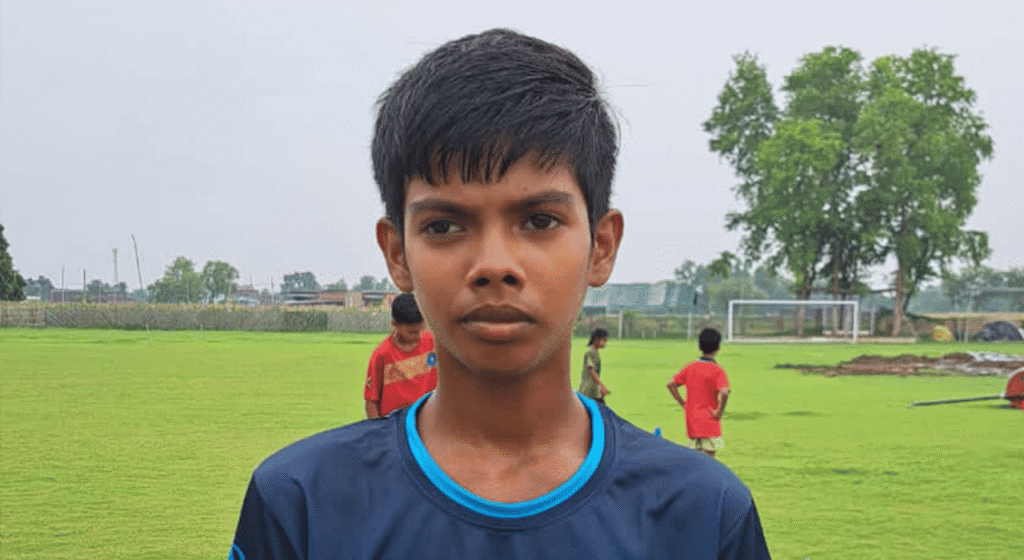
Balamurugan: The Unstoppable Journey of an Emerging Football Star

From a young student with a passion for football to a high-performance trainee supported by Sportz Village Foundation, LatentView Analytics and India Khelo Football, Balamurugan’s journey shows what the right opportunity can unlock.
Health & Wellbeing
Programme Impact
Schools

Race Around India: Keeping Children Active Beyond the Digital Divide

Race Around India is an offline, gamified physical education initiative designed to keep children active at home while reducing inequalities created by the digital and gender divide.
Girls & Women
Programme Impact
Students

Empowering Women in Sports: Understanding the Barriers Girls Face

A data-led case study that identified the social barriers preventing girls from participating in sport and outlined practical opportunities to create more inclusive sporting environments.
Education
Case Study
Students

How Structured Sports Improved Student in a Government School

A structured sports curriculum introduced in a government school in Bengaluru improved attendance and contributed to stronger behaviour, attention span and peer relationships among children.
Research & Policy
Research & Report
Students

How Sports Participation Supports the Sustainable Development Goals

A study of HCL Foundation’s Sport for Change initiative explores how active participation in sport is associated with stronger health, education and gender-equality outcomes among students in Lucknow and Noida.
Digital Innovation
Programme Impact
Students

Digital Intervention to Get Government School Children Active During the Pandemic

Supported by Bata India, Sportz Village Foundation used a self-directed and gamified digital platform to keep children from government schools active during the pandemic.
Inclusion
Community Initiative
Students

Sportz Village Foundation: Giving Every Child an Equal Opportunity

Sportz Village Foundation uses structured sports education to improve children’s health, education, confidence and access to opportunity.
Digital Innovation
Programme Impact
Students

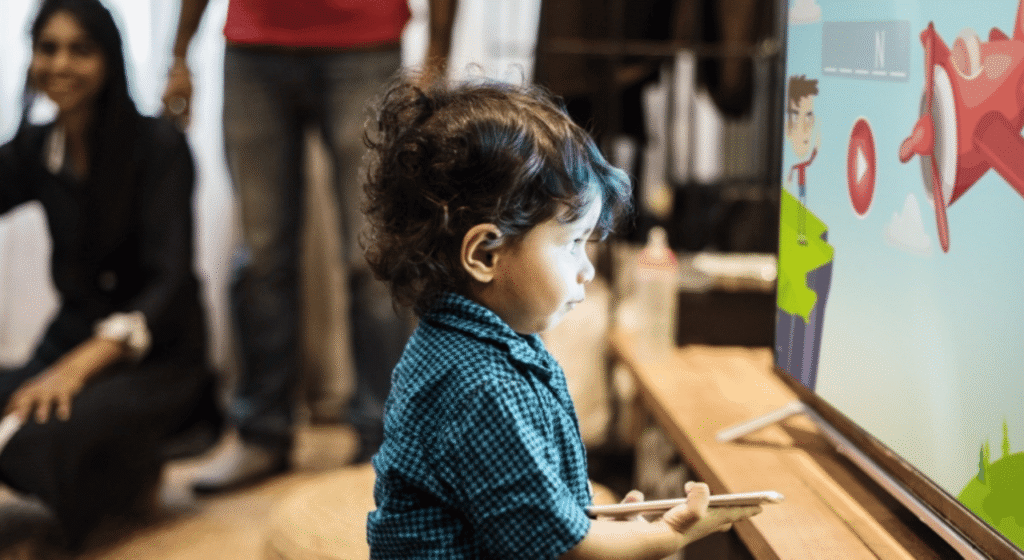
Keeping Children Active Through the Digital Program

A six-week digital physical education pilot helped children from government schools in Tamil Nadu stay active and engaged during the COVID-19 lockdown.
Health & Wellbeing
Research & Report
Schools

Annual Health Survey 2019–2020: Public Schools

Sportz Village Foundation’s Annual Health Survey highlights important fitness and health challenges among children in public schools, while showing the value of structured sports education.
Education
Policy & Thought Leadership
Schools

National Education Policy 2020: Playing to Win

A look at how play and physical activity can be used as a pedagogical tool to support the educational outcomes envisioned under the National Education Policy 2020.
Education
Case Study
Schools

Ashok Leyland – Road To School

Ashok Leyland’s Road To School initiative uses structured sport to strengthen learning, health and holistic development for children in government schools across Tamil Nadu.
Girls & Women
Student Journey
Students

Roopa Chauhan Blitzes Through Barriers

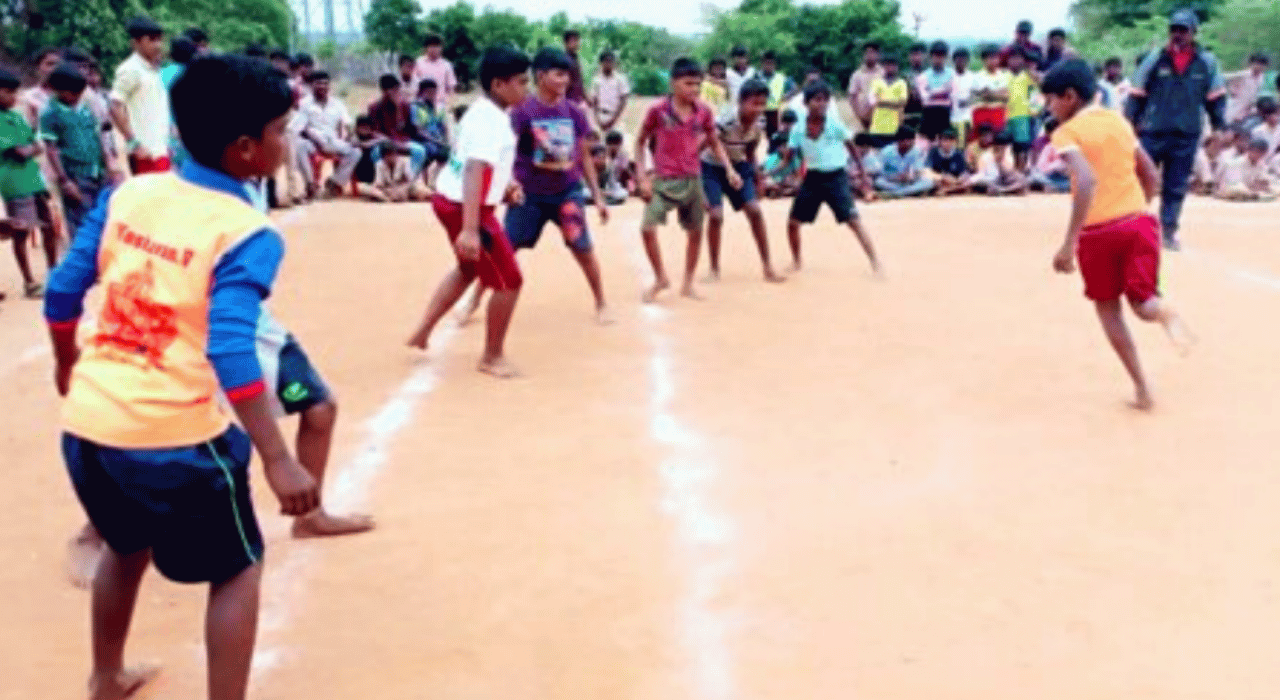
From discovering Kabaddi through Sport For Change to competing at state and national levels, Roopa’s journey shows how sport can create brighter opportunities for young girls.
Inclusion
Programme Impact
Communities

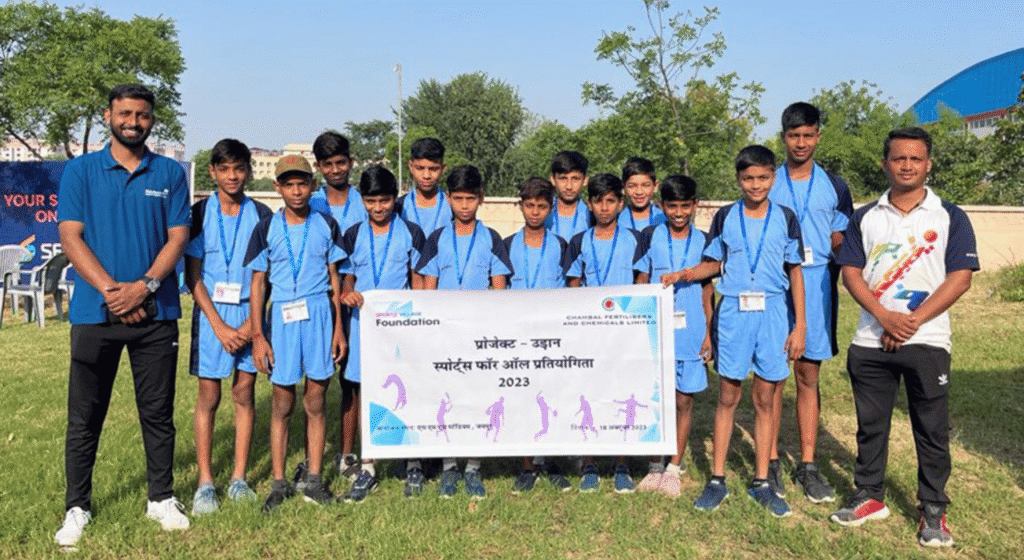
Sport For Change – Project Udaan

A Sport For Change initiative by Chambal Fertilisers and Chemicals Limited and Sportz Village Foundation, positively impacting over 2,800 children and youth across 26 educational institutions in Kota and Baran.
Digital Innovation
Policy & Thought Leadership
Students

Keeping Children Active During COVID-19 Lockdown

A Sportz Village Foundation position paper on ensuring children continue to access physical activity, sport and wellbeing support during and after COVID-19 lockdowns.
Sports Excellence
Programme Impact
Young Athletes

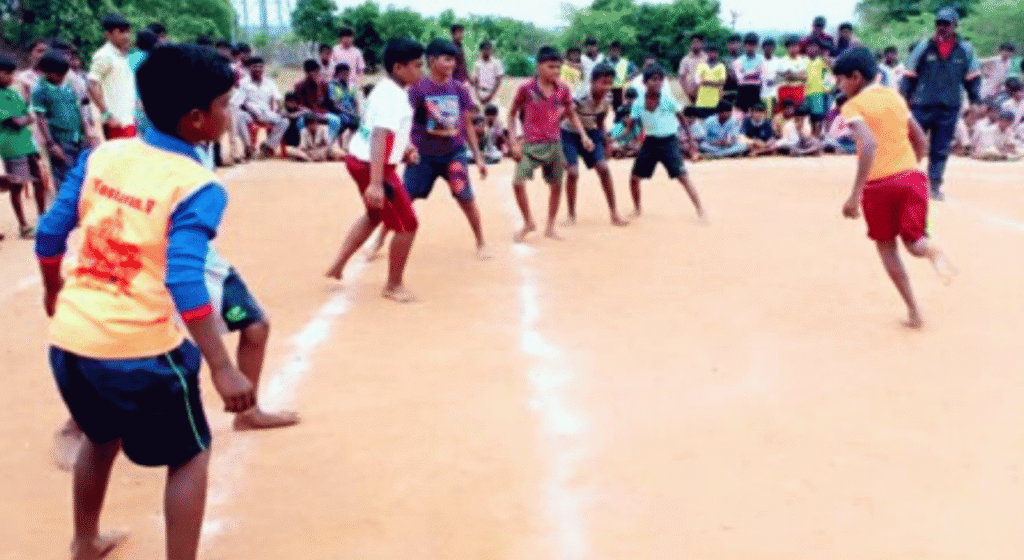
Identifying and Developing Young Sports Talent Through HCL Foundation Schools

A structured talent identification and coaching programme that helped young athletes from HCL Foundation schools progress from fitness assessment to competitive performance.
Girls & Women
Programme Impact
Girls & Women

PADKAR: Empowering Women Through Self-Defense Training

A large-scale self-defense programme that equipped more than 2.77 lakh women and girls across Gujarat with practical skills, confidence and mental strength.
Inclusion
Case Study
Communities

Strengthening Decathlon’s Community Outreach Programme

An impact evaluation study that helped Decathlon strengthen its employee-volunteer-led school sports programme.
Education
Programme Impact
Students

Learning Through Play: Nurturing Problem Solvers of the Future

Learning Through Play uses structured, activity-based learning to help children build computational thinking, problem-solving and 21st-century skills.
Education
Case Study
Schools

Ashok Leyland Sports for Change Case Study

Through the Sports for Change programme, Ashok Leyland and Sportz Village Foundation brought structured sports learning to 150 government schools in Tamil Nadu.
Digital Innovation
Programme Impact
Students

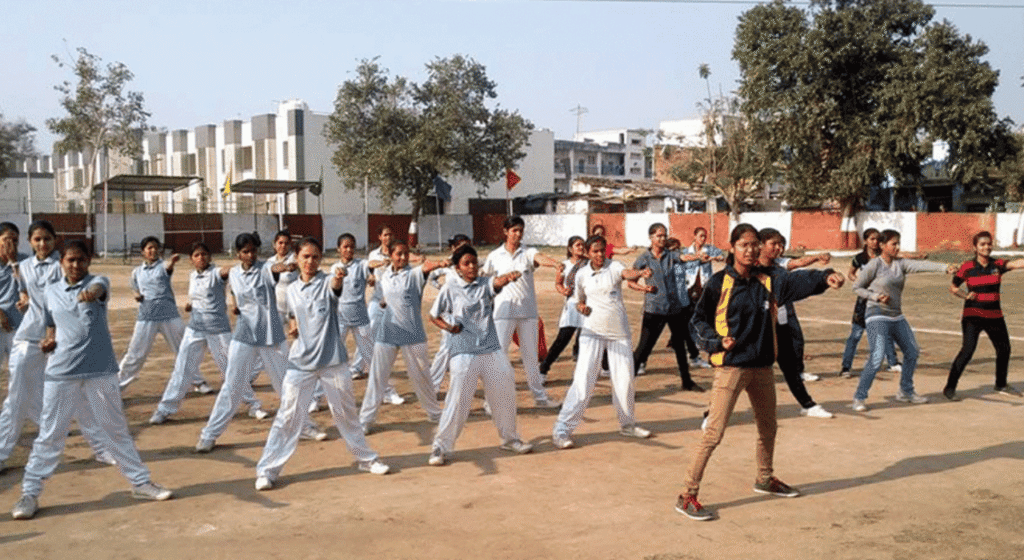
75% of Children Were Engaged in Sportz Village Foundation’s Digital Program

A 10-week digital engagement program helped children from government schools in Tamil Nadu stay physically and emotionally active during the COVID-related outbreak.
Girls & Women
Student Journey
Students

How Sarita chose Kabaddi to raid into brighter life opportunities

Sarita, a 16-year-old young student from GIC Vikas Niketan Lucknow wants to become a sports trainer and teach other children what she learnt from the sport.

Get the Complete Report

Explore the data, stories and evidence behind a year of impact through sport. Fill the form and get the report.