How Sports Participation Supports the Sustainable Development Goals

How Sport Builds A Better Future

Sport has the potential to contribute to development far beyond the playing field. It can support health, education, gender equality, inclusion, employability and stronger communities.

This study examined the contribution of sports participation to selected Sustainable Development Goals within the HCL Foundation Sport for Change initiative. It compared students with regular participation in sports activities to those with low or no recent participation.

The study involved a cohort of 120 middle- and high-school students from programme schools in Lucknow and Noida. Active participants were defined as students who engaged in the Sport for Change programme at least once a week, while inactive participants had not participated for consecutive weeks.

Sport and the Sustainable Development Goals

The United Nations’ 2030 Agenda for Sustainable Development recognises the growing contribution of sport towards development and peace.

Sport can help create progress across many of the Sustainable Development Goals, particularly:

  • Good Health and Wellbeing
  • Quality Education
  • Gender Equality
  • Decent Work and Economic Growth
  • Reduced Inequalities
  • Sustainable Cities and Communities
  • Peace, Justice and Strong Institutions
  • Partnerships for the Goals

This study focused specifically on three areas:

  • SDG 3: Good Health and Wellbeing
  • SDG 4: Quality Education
  • SDG 5: Gender Equality and Women Empowerment

The HCL Foundation Sport for Change Programme

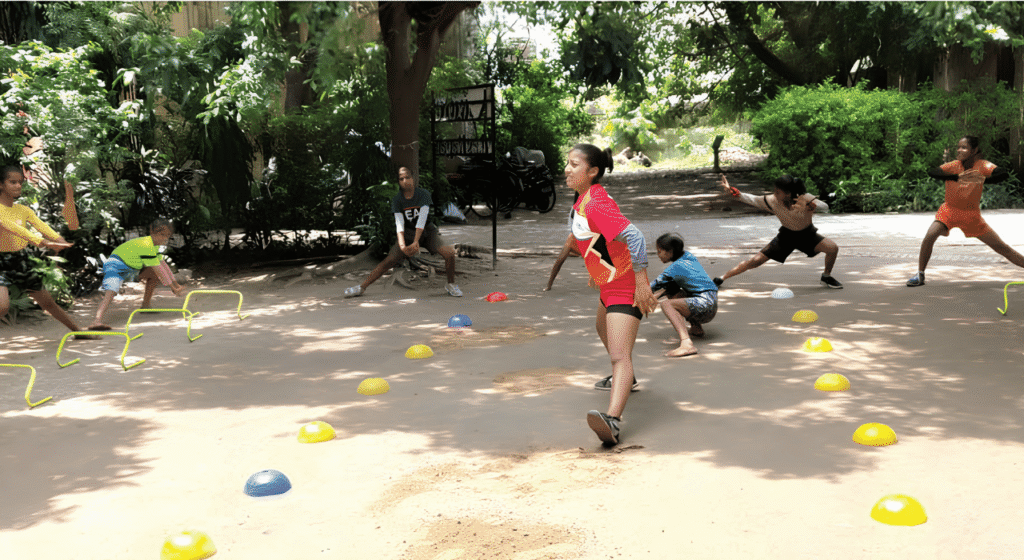
HCL Foundation’s Sport for Change initiative works to increase access and participation in sport at the grassroots level.

The programme channels the energy of young people from underserved communities towards play and sports, based on the belief that sport is not only an end in itself, but also a means to achieve wider development outcomes.

Over the years, the initiative has trained more than 6,500 students in athletics, karate, chess, carrom, badminton, volleyball, football, kabaddi and cricket. Students have gone on to represent their schools and communities at district, state and national-level tournaments.

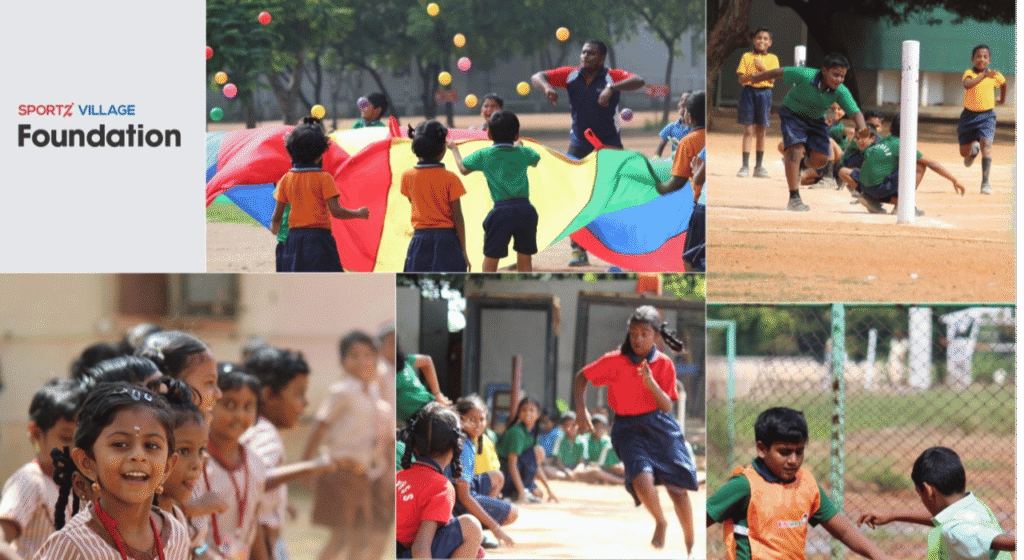
Sportz Village Foundation partnered with HCL Foundation as an implementation agency to identify, train and nurture sports talent, while making physical education and sporting opportunities accessible to children and youth in Noida and Lucknow.

Study Methodology

The study used separate assessment methods to evaluate the relationship between sports participation and the three selected Sustainable Development Goals.

Good Health and Wellbeing

Fitness was assessed using a Fitness Quotient, which combines six fitness parameters:

  • Upper body strength
  • Lower body strength
  • Aerobic capacity
  • Anaerobic capacity
  • Flexibility
  • Abdominal or core strength

Quality Education

Academic performance was reviewed through marks in Mathematics, Science and Social Studies, along with school attendance over a 30-day period.

Gender Equality and Women Empowerment

The study used a Social-Emotional Learning assessment to understand how sports participation influenced girls’ confidence, independence and interpersonal skills.

The assessment measured:

  • Interacting with others
  • Overcoming difficulties and solving problems
  • Taking initiative
  • Understanding and following instructions
  • Managing conflicts

Each skill was assessed on a five-point scale, ranging from requiring considerable support to performing independently.

Good Health and Wellbeing: Fitness Outcomes

Students with active participation in sports recorded higher Fitness Quotient scores than inactive students in both locations.

In Lucknow, active students recorded an average Fitness Quotient of 0.88, compared with 0.85 among inactive students. The study reported this as a 3.5% difference.

In Noida, active students recorded an average Fitness Quotient of 1.20, compared with 1.16 among inactive students, representing a reported 3.4% difference.

The findings indicate a positive relationship between regular sports participation and improved fitness levels.

Quality Education: Academic Performance

The study found that students who participated actively in sports showed higher academic scores than inactive students.

Lucknow

Among the Lucknow cohort, active students recorded:

  • 68 in Mathematics, compared with 55 among inactive students
  • 70 in Science, compared with 56 among inactive students
  • 69 in Social Studies, compared with 55 among inactive students

This represented reported improvements of:

  • 24% in Mathematics
  • 25% in Science
  • 25% in Social Studies

Noida

Among the Noida cohort, active students recorded:

  • 79 in Mathematics, compared with 68 among inactive students
  • 74 in Science, compared with 64 among inactive students
  • 78 in Social Studies, compared with 70 among inactive students

This represented reported differences of:

  • 16% in Mathematics
  • 16% in Science
  • 11% in Social Studies

Attendance Outcomes

Active sports participation was also associated with higher school attendance in both locations.

  • In Lucknow, active participants recorded 65% attendance, compared with 45% among inactive participants.
  • In Noida, active participants recorded 74% attendance, compared with 28% among inactive participants.

The findings suggest that regular participation in sport can support stronger engagement with school.

Gender Equality and Women Empowerment

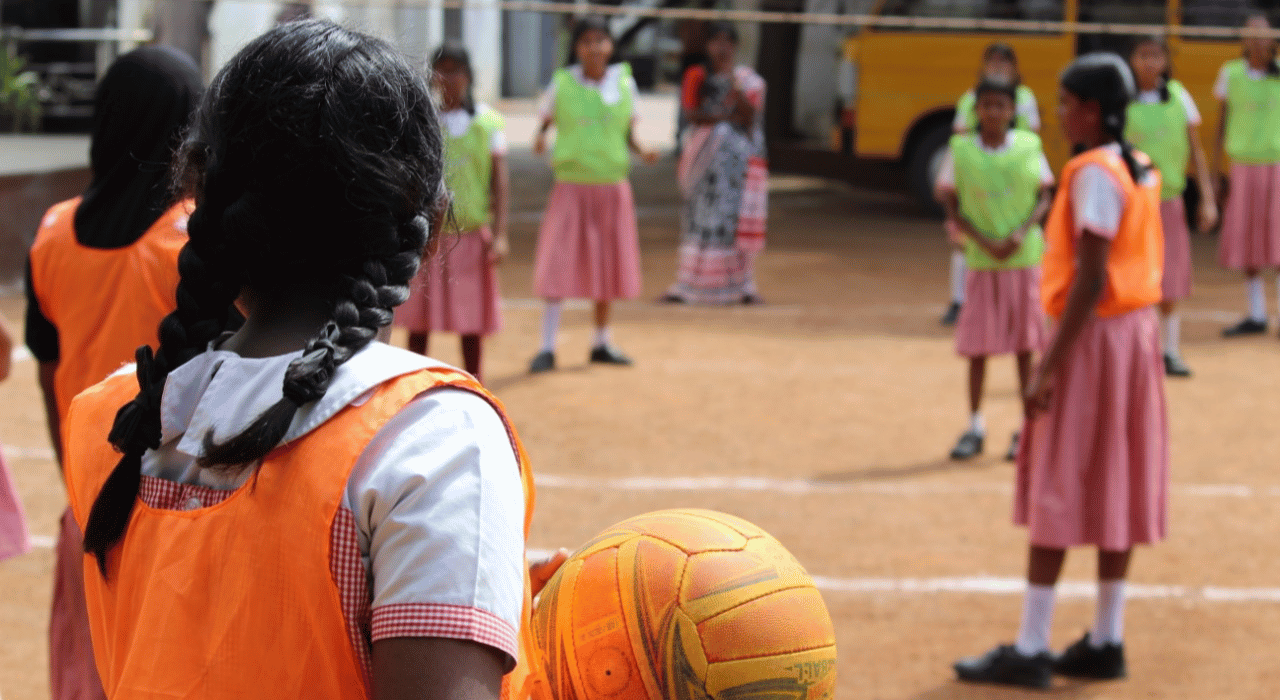
The study found that girls who actively participated in sports demonstrated higher socio-emotional learning scores across the measured areas.

Lucknow

Active girls scored higher than inactive girls in:

  • Interacting with others: 3.9 vs 2.2
  • Overcoming difficulties and solving problems: 3.4 vs 2.1
  • Taking initiative: 3.6 vs 1.9
  • Understanding and following instructions: 3.7 vs 2.3
  • Overall score: 3.65 vs 2.125

Noida

Active girls also recorded stronger scores in Noida:

  • Interacting with others: 4.5 vs 1.6
  • Overcoming difficulties and solving problems: 4.1 vs 1.6
  • Taking initiative: 4.0 vs 1.0
  • Understanding and following instructions: 4.7 vs 1.6
  • Overall score: 4.325 vs 1.45

These findings suggest that sport can help girls build confidence, communication, problem-solving ability and the willingness to take initiative.

Study Limitations

The study notes that the findings should be read with some limitations in mind.

The participant group was relatively small and used a binary comparison between active and inactive students. Future studies can build on this work by including larger and more diverse groups, clearer measures of participation levels and comparisons across different age groups.

Conclusion

Sport has the potential to influence development outcomes beyond fitness and competition.This study highlights how regular participation in sport can support better physical wellbeing, stronger school engagement, improved academic performance and higher social-emotional learning outcomes among girls.

It reinforces the role of structured sport as a meaningful tool for advancing health, education and gender equality in underserved communities.
Stories from the Field

Sports Excellence
Student Journey
Young Athletes

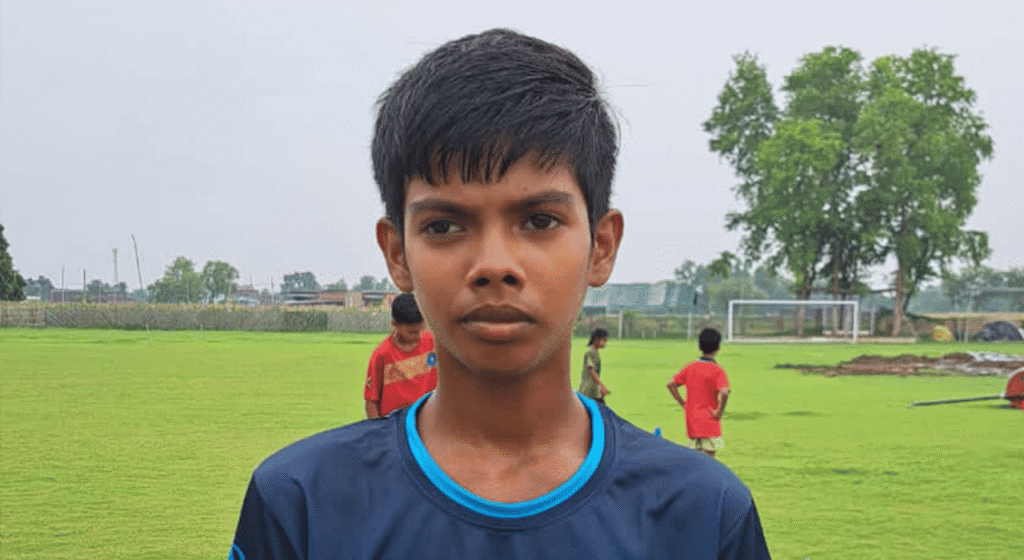
Balamurugan: The Unstoppable Journey of an Emerging Football Star

From a young student with a passion for football to a high-performance trainee supported by Sportz Village Foundation, LatentView Analytics and India Khelo Football, Balamurugan’s journey shows what the right opportunity can unlock.
Health & Wellbeing
Programme Impact
Schools

Race Around India: Keeping Children Active Beyond the Digital Divide

Race Around India is an offline, gamified physical education initiative designed to keep children active at home while reducing inequalities created by the digital and gender divide.
Girls & Women
Programme Impact
Students

Empowering Women in Sports: Understanding the Barriers Girls Face

A data-led case study that identified the social barriers preventing girls from participating in sport and outlined practical opportunities to create more inclusive sporting environments.
Education
Case Study
Students

How Structured Sports Improved Student in a Government School

A structured sports curriculum introduced in a government school in Bengaluru improved attendance and contributed to stronger behaviour, attention span and peer relationships among children.
Digital Innovation
Programme Impact
Students

Digital Intervention to Get Government School Children Active During the Pandemic

Supported by Bata India, Sportz Village Foundation used a self-directed and gamified digital platform to keep children from government schools active during the pandemic.
Inclusion
Community Initiative
Students

Sportz Village Foundation: Giving Every Child an Equal Opportunity

Sportz Village Foundation uses structured sports education to improve children’s health, education, confidence and access to opportunity.
Digital Innovation
Programme Impact
Students

Keeping Children Active Through the Digital Program

A six-week digital physical education pilot helped children from government schools in Tamil Nadu stay active and engaged during the COVID-19 lockdown.
Health & Wellbeing
Research & Report
Schools

2nd Annual Health Survey for Public Schools

Sportz Village Foundation’s 2nd Annual Health Survey highlights major fitness concerns among children in public schools, while underlining the importance of continuous, structured sports education.
Health & Wellbeing
Research & Report
Schools

Annual Health Survey 2019–2020: Public Schools

Sportz Village Foundation’s Annual Health Survey highlights important fitness and health challenges among children in public schools, while showing the value of structured sports education.
Education
Policy & Thought Leadership
Schools

National Education Policy 2020: Playing to Win

A look at how play and physical activity can be used as a pedagogical tool to support the educational outcomes envisioned under the National Education Policy 2020.
Education
Case Study
Schools

Ashok Leyland – Road To School

Ashok Leyland’s Road To School initiative uses structured sport to strengthen learning, health and holistic development for children in government schools across Tamil Nadu.
Girls & Women
Student Journey
Students

Roopa Chauhan Blitzes Through Barriers

From discovering Kabaddi through Sport For Change to competing at state and national levels, Roopa’s journey shows how sport can create brighter opportunities for young girls.
Inclusion
Programme Impact
Communities

Sport For Change – Project Udaan

A Sport For Change initiative by Chambal Fertilisers and Chemicals Limited and Sportz Village Foundation, positively impacting over 2,800 children and youth across 26 educational institutions in Kota and Baran.
Digital Innovation
Policy & Thought Leadership
Students

Keeping Children Active During COVID-19 Lockdown

A Sportz Village Foundation position paper on ensuring children continue to access physical activity, sport and wellbeing support during and after COVID-19 lockdowns.
Sports Excellence
Programme Impact
Young Athletes

Identifying and Developing Young Sports Talent Through HCL Foundation Schools

A structured talent identification and coaching programme that helped young athletes from HCL Foundation schools progress from fitness assessment to competitive performance.
Girls & Women
Programme Impact
Girls & Women

PADKAR: Empowering Women Through Self-Defense Training

A large-scale self-defense programme that equipped more than 2.77 lakh women and girls across Gujarat with practical skills, confidence and mental strength.
Inclusion
Case Study
Communities

Strengthening Decathlon’s Community Outreach Programme

An impact evaluation study that helped Decathlon strengthen its employee-volunteer-led school sports programme.
Education
Programme Impact
Students

Learning Through Play: Nurturing Problem Solvers of the Future

Learning Through Play uses structured, activity-based learning to help children build computational thinking, problem-solving and 21st-century skills.
Education
Case Study
Schools

Ashok Leyland Sports for Change Case Study

Through the Sports for Change programme, Ashok Leyland and Sportz Village Foundation brought structured sports learning to 150 government schools in Tamil Nadu.
Digital Innovation
Programme Impact
Students

75% of Children Were Engaged in Sportz Village Foundation’s Digital Program

A 10-week digital engagement program helped children from government schools in Tamil Nadu stay physically and emotionally active during the COVID-related outbreak.
Girls & Women
Student Journey
Students

How Sarita chose Kabaddi to raid into brighter life opportunities

Sarita, a 16-year-old young student from GIC Vikas Niketan Lucknow wants to become a sports trainer and teach other children what she learnt from the sport.

Get the Complete Report

Explore the data, stories and evidence behind a year of impact through sport. Fill the form and get the report.